











By Emmanuel Nduka Obisue
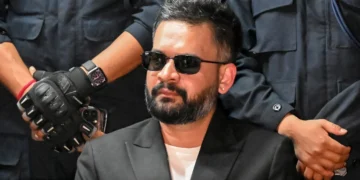
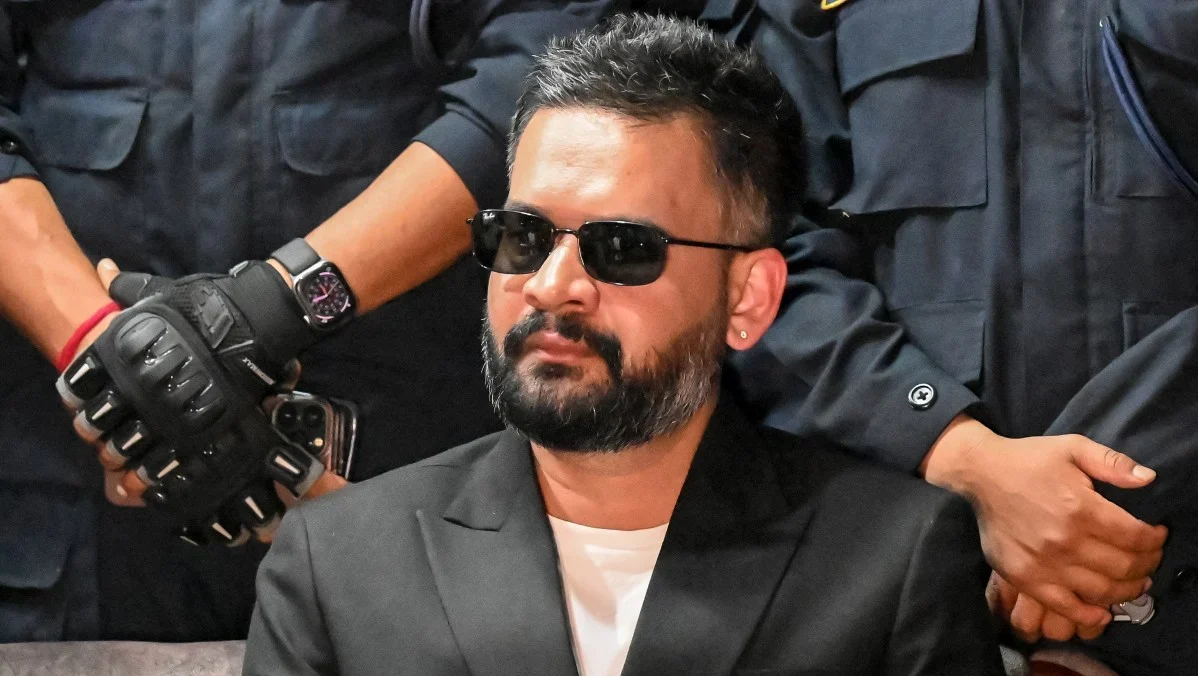
Nepal’s parliamentary elections are nearly complete, with just two percent of votes left to count, confirming Balendra Shah and his centrist Rastriya Swatantra Party (RSP) as the likely majority party.
The 35-year-old rapper-turned-politician’s rapid rise from Kathmandu mayor to expected prime minister represents one of the most dramatic political shifts in recent Nepali history. Shah unseated four-time former Prime Minister KP Sharma Oli, whose Marxist-led government was toppled during youth-led anti-corruption protests last September.
Videos of Nepalis dancing in imitation of Shah during the elections have gone viral on social media, highlighting his broad popular appeal.
Nepal’s new 275-member House of Representatives will have 165 members elected directly and 110 through proportional representation. Preliminary results show the RSP winning 125 of 165 direct seats and nearly half of the proportional representation votes, with only around 200,000 ballots left to tally. If the current trend holds, RSP is expected to secure about 176 seats, just short of the 183 needed for a supermajority.
Constitutional law expert Bipin Adhikari explained that finalizing the prime ministerial appointment could take more than a week. The Election Commission will submit its official report to the president, who will then invite RSP lawmakers to nominate their candidate for prime minister.
Other results show the Nepali Congress securing 18 direct seats, while the defeated Marxist party led by Oli won nine.
The landmark election reflects a generational and political shift in Nepal, and highlights the electorate’s appetite for new leadership and a departure from traditional party politics.