
















By Ebi Kesiena
The United Kingdom has announced two major economic reform programmes valued at £12.4 million to bolster Nigeria’s ongoing efforts to stabilise its economy, strengthen fiscal management, and stimulate private-sector growth.
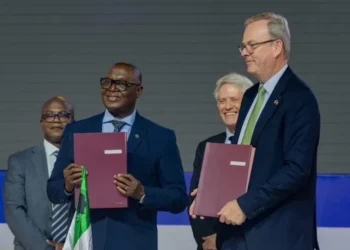
The initiatives, the Nigeria Economic Stability and Transformation (NEST) programme and the Nigeria Public Finance Facility (NPFF), were formally launchedin Abuja. The Head of Development Cooperation at the British High Commission, Cynthia Rowe, described the move as a significant milestone in the long-standing partnership between both countries.
Speaking at the event, Rowe said the programmes were designed in close alignment with Nigeria’s economic priorities, particularly the government’s current agenda to entrench reforms that support growth and resilience.
“Together, these programmes signal a coherent and long-term UK commitment to Nigeria’s economic course, from stabilisation to reform and to growth,” she said.
According to her, the NEST programme, valued at £4.9 million, will support macroeconomic stability efforts, enhance the quality of ongoing reforms, and help drive economic diversification. The NPFF, worth £7.5 million, is targeted at improving Nigeria’s tax policy framework, public expenditure management, and national debt strategy.
Rowe added that both programmes would complement the forthcoming UK-Nigeria Growth Programme, which aims to support market-creating reforms and help Nigerian enterprises become more productive, more competitive, and better positioned for export.
Representing the Federal Government, the Special Adviser to the President on Finance and the Economy, Sanyade Okoli, expressed appreciation for the UK’s consistent support, describing the programmes as timely and strategic.
“A huge thank you to the British Government for its steadfast support and enduring commitment to Nigeria’s development,” Okoli said. She noted that the new initiatives align strongly with the administration’s economic growth plan and reflect “true partnership and a genuine desire to see Nigeria move forward.”
Also speaking, the British Deputy High Commissioner in Lagos, Jonny Baxter, emphasised that the programmes form part of a broader, modernised approach to UK-Nigeria cooperation. He explained that the partnership spans development finance and commercial opportunities and is driven by the need to support a vibrant private sector.
“We view this engagement as a whole, as a package,” Baxter said, adding that the UK’s approach reflects a modern partnership anchored on strengthening the fundamentals of a successful economy—one in which the private sector plays a central role.
The UK Government said it remains committed to supporting Nigeria’s path toward economic transformation, with the newly launched programmes expected to improve fiscal transparency, strengthen reforms, and accelerate long-term economic growth.