




By Ebi Kesiena
Tanzania’s government has appealed to citizens to remain indoors on December 9 amid growing tensions and expected nationwide protests over alleged state repression and election-related violence.
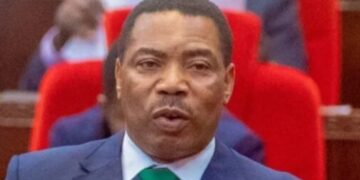
Prime Minister Mwigulu Nchemba issued the advisory on Tuesday as activists continued to mobilise supporters online for demonstrations against what they describe as the violent suppression of anti-government protests ahead of the country’s October elections.
The United Nations recently reported that hundreds of people were likely killed during the unrest, which followed the disqualification of major opposition candidates from the polls. President Samia Suluhu Hassan was later declared winner with nearly 98 per cent of the vote—a result the opposition and rights groups have heavily criticised.
While the Tanzanian government has acknowledged that fatalities occurred during the protests, it has refused to release an official death toll and has consistently denied claims that security agencies used excessive force against civilians.
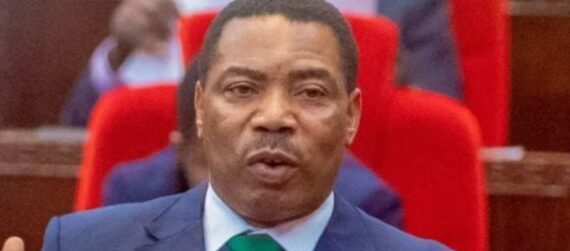
In a video message shared on the government information centre’s X account, Mr. Nchemba urged citizens to avoid unnecessary movement on Independence Day, though he made no direct reference to the planned protests.
“The government advises all citizens who will not have an emergency on December 9 to use the day for rest and celebrate it at home, except for those whose work duties require them to be at their work stations,” the prime minister said.
The appeal comes after police announced that any demonstrations on December 9 would be deemed illegal, arguing that authorities had not received formal notification from organisers as required by law.
Reports from Dar es Salaam and the northern city of Arusha indicate heavy security presence, with both police and army units stationed along major routes and public spaces in anticipation of unrest.
President Hassan has repeatedly denied allegations that security forces acted improperly, insisting that protesters were attempting to destabilise the government. She has, however, established a commission to investigate incidents of election-related violence, though critics say the move does little to address widespread concerns about democratic backsliding.
Meanwhile, the United States says it is reassessing its ties with Tanzania over concerns related to civilian casualties, restrictions on free speech and religious freedom, and barriers to investment.