




















By Emmanuel Nduka Obisue
The Confederation of African Football (CAF) has explained its decision to move the Africa Cup of Nations (AFCON) from a biennial to a four-year cycle, describing the change as part of a broader reform aimed at strengthening football development across the continent.
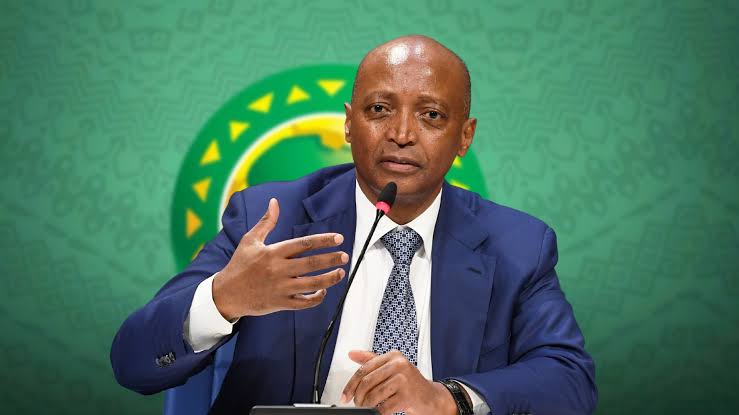
CAF President Patrice Motsepe announced the new structure on Saturday during a press conference ahead of the 2025 AFCON in Morocco. The reform also includes the introduction of a new continental competition, the African Nations League.
According to Motsepe, the revised calendar is designed to reduce congestion in the international football schedule while improving the quality and competitiveness of African tournaments. He said the shift would allow better planning, increased commercial value, and more opportunities for Africa’s top players, many of whom are based in Europe and other parts of the world, to participate regularly in continental competitions.
Motsepe confirmed that the 2027 Africa Cup of Nations, which will be jointly hosted by Uganda, Kenya, and Tanzania, will proceed as scheduled. However, the subsequent edition, initially planned for 2029, has been moved forward to 2028, with the following tournament set for 2032.
The adjustment, he explained, creates space for the inaugural African Nations League, which is expected to debut in 2029. The competition will feature all 54 CAF member associations, grouped into four geographical zones. Matches will be played during the September and October international windows, with finals scheduled for November.
Motsepe described the Nations League as a landmark development for African football, noting that it will ensure the continent hosts a major competition every year. He said the new tournament will help raise standards, enhance player exposure, and deepen fan engagement across Africa.
CAF has yet to clarify whether the African Nations League will be held annually or biennially, but officials say further details will be released in due course.
The reforms mark one of the most significant overhauls of African football’s competition structure in decades, as CAF seeks to align its calendar more strategically with global football while expanding opportunities on the continent.