




















By Emmanuel Nduka Obisue
The return of Lagos’ iconic Eyo Festival after an eight-year absence has rekindled a national conversation about the preservation of Nigeria’s cultural heritage, with many seeing the revival as a statement of intent to safeguard traditions threatened by modernisation and neglect.
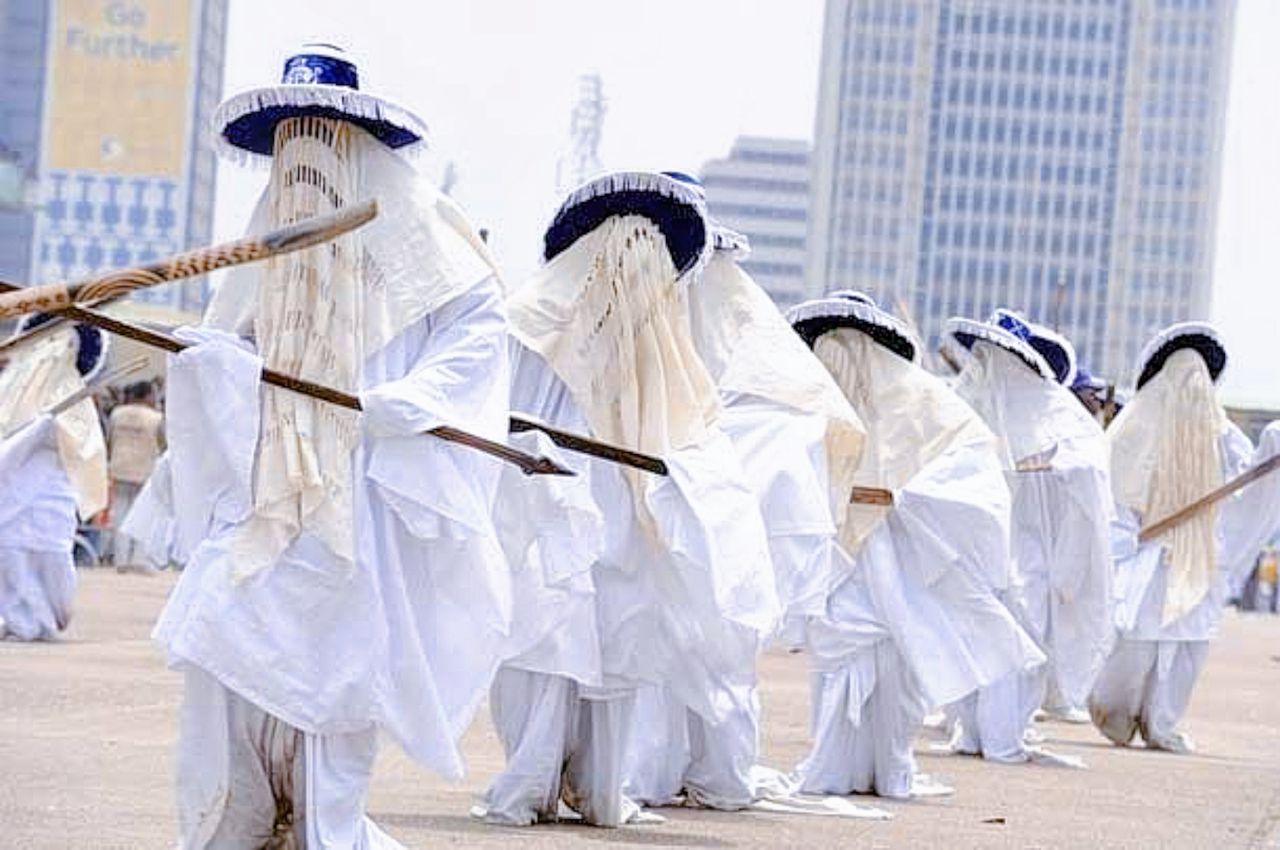
On Saturday, the streets of Lagos were awash with history as thousands of residents and visitors watched the white-clad Eyo masquerades procession, an enduring symbol of the city’s Yoruba roots.
Beyond the spectacle, cultural custodians say the festival’s comeback represents a deliberate effort to reconnect younger generations with ancestral practices that define Lagos’ identity.
Also known as the Adamu Orisha Play, the Eyo Festival dates back centuries and is traditionally staged to mark major milestones such as the coronation of an Oba of Lagos or to honour distinguished Lagosians who have passed on.
Its suspension since 2017, largely due to public health and security concerns, had raised fears among cultural advocates that one of Nigeria’s most recognisable traditions could fade from public memory.
Nigerian lawmaker Gbenga Ashafa said the festival’s selective nature underscores its cultural depth rather than diminishing its relevance. He explained that the celebration is rooted in reverence and remembrance, serving as a bridge between the past and the present for the people of Lagos.
While some critics argue that ancient customs have little place in a rapidly evolving, urban society, many attendees view the festival’s return as proof that tradition and modern life can coexist.
Visitor Akindipe Olalekan-Olu said cultural practices should not be discarded because of changing religious or social beliefs, stressing that heritage forms the foundation of collective identity.
For Lagos State, the revival is also tied to broader efforts to document, protect and promote indigenous culture as part of Nigeria’s intangible heritage. Cultural observers note that sustained support for festivals like Eyo could help ensure that oral histories, rituals and symbolism are passed down, rather than lost to time.
As Lagos positions itself as a global city, the re-emergence of the Eyo Festival stands as a reminder that progress need not come at the expense of tradition, but can instead draw strength from preserving the stories, values and rituals that shaped the nation.