



















By Emmanuel Nduka Obisue
Iran has indicated that it is prepared to accept cryptocurrency as payment for the overseas sale of advanced weapons systems, underscoring how heavily sanctioned states are increasingly turning to digital assets to bypass restrictions imposed by Western governments.
Financial Times reported that documents and payment terms reviewed showed that Iran’s Ministry of Defence Export Center, known as Mindex, has introduced settlement options that allow foreign buyers to pay for arms contracts using digital currencies, barter arrangements or Iran’s local currency. The policy, rolled out over the past year, applies to a broad range of strategic military equipment and marks one of the clearest public signals yet that a nation state is willing to use cryptocurrency in transactions involving sensitive military hardware.
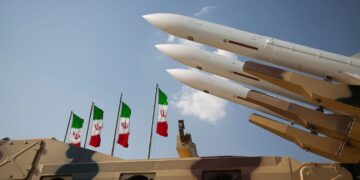
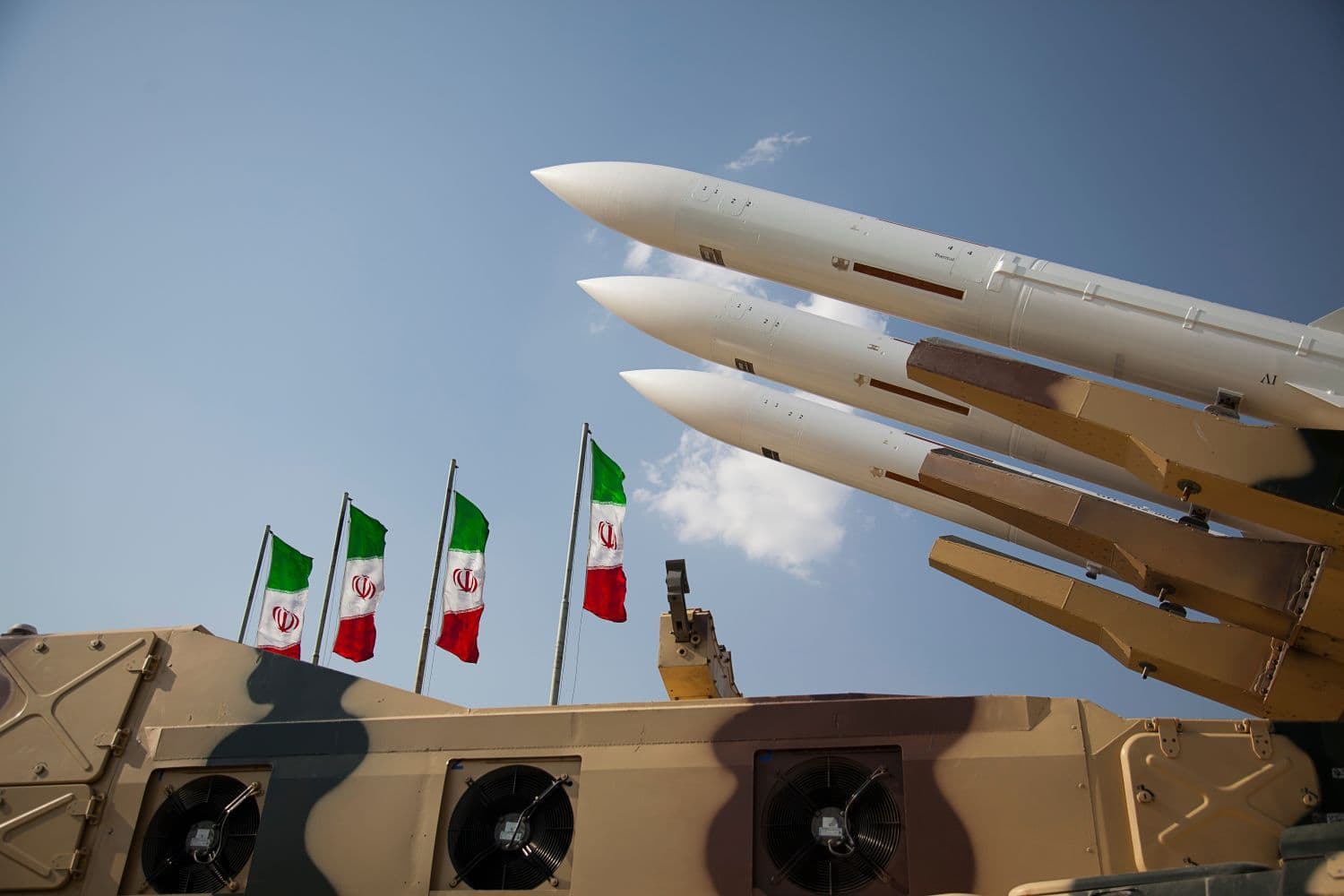
Mindex, a state-run body overseeing Iran’s defence exports, advertises ties with more than 30 foreign customers and promotes a catalogue that includes ballistic missiles, armed drones, naval vessels and air defence systems. Among the items listed are long-range missiles, Shahed-series drones and warships designed for coastal operations, alongside small arms, rockets and cruise missiles. Western governments and United Nations reports have previously linked some of these weapons to Iranian-backed militant groups operating across the Middle East.
Financial Times said it verified the authenticity of Mindex’s online platform through archived records, domain registration data and technical analysis. The website is hosted on an Iranian domestic cloud provider that has been sanctioned by the U.S. Treasury, which has described the service as having links to Iranian intelligence agencies.
Mindex’s portal includes a virtual assistant and guidance tools to walk prospective buyers through the procurement process. A frequently asked questions section addresses concerns about international sanctions, asserting that Iran’s long experience in navigating restrictions ensures contracts can be executed and deliveries completed. While prices are not publicly disclosed, the export centre says payments can be arranged within destination countries and that on-site inspections in Iran are possible, subject to security approvals.
The move reflects a broader trend among countries facing extensive U.S. and European sanctions. Washington has previously targeted Russian and Iranian networks accused of using cryptocurrency to evade financial controls, while U.S. officials have long alleged that Tehran relies on digital assets to facilitate oil sales and move funds outside traditional banking channels.
The disclosures come as Western governments intensify pressure on Iran over its nuclear programme and regional activities, even as analysts suggest Tehran could expand its role in global arms markets amid shifting geopolitical dynamics.