












By Ebi Kesiena
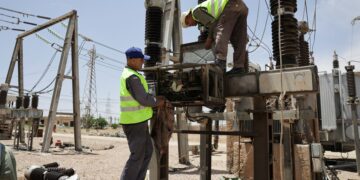
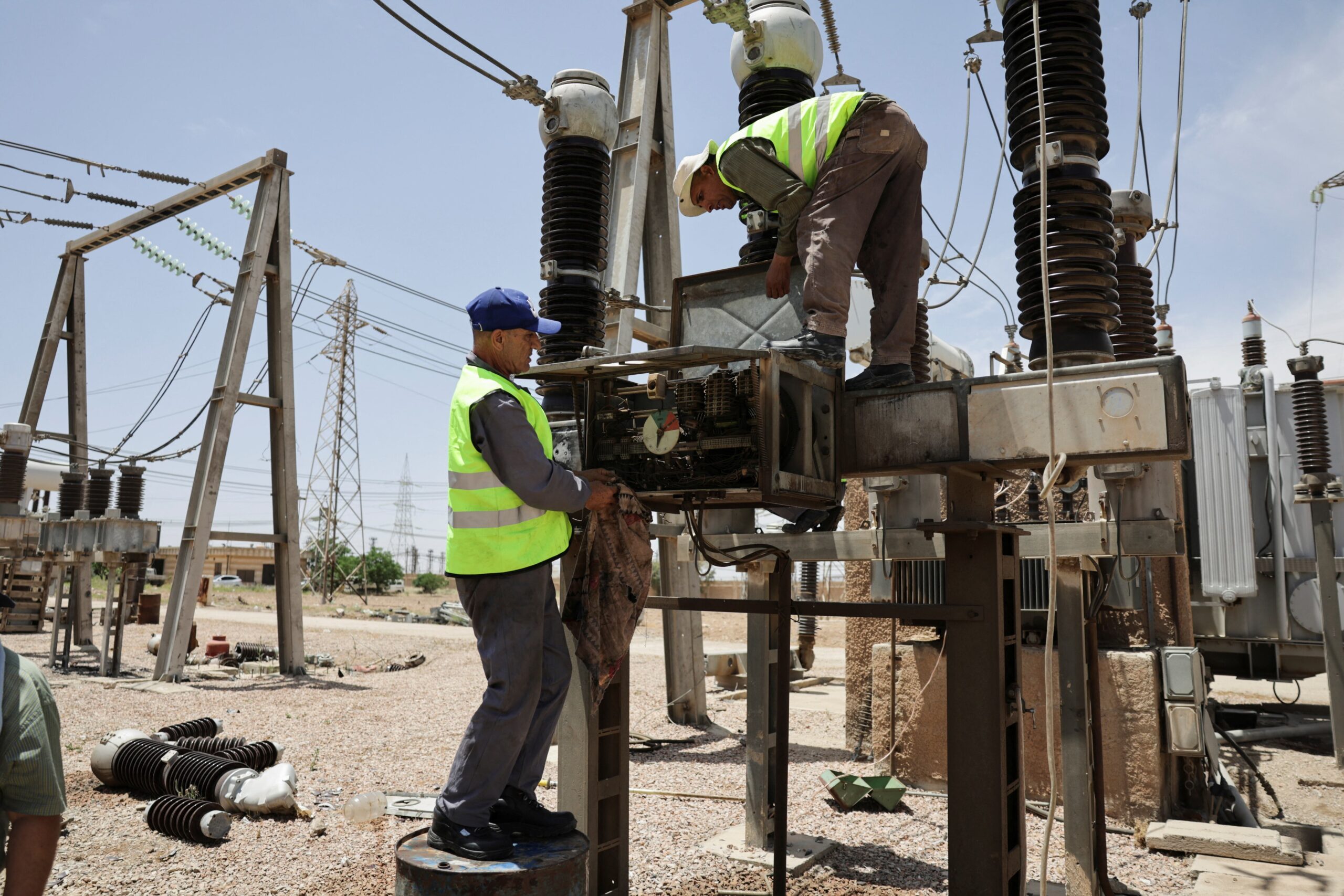
Egypt has signed two major agreements worth more than $1.8 billion to develop renewable energy and battery storage projects in the Suez Canal Economic Zone (SCZone), in a move aimed at strengthening the reliability and sustainability of the national electricity grid.
According to a cabinet statement issued on Sunday, the agreements were signed between the Ministry of Electricity and Renewable Energy and the General Authority for the SCZone, underscoring the government’s push to expand clean energy infrastructure through private-sector partnerships.
The first agreement is a land usufruct contract for the development of a large-scale solar power and battery storage project, dubbed Energy Valley, in Minya Governorate. The project will be developed by Norwegian renewable energy firm Scatec and includes the construction of new substations and power transmission lines to supply electricity to the industrial zone in Wadi El-Siririya, Minya.
Energy Valley is expected to be the first project in the region to provide clean and stable electricity around the clock. It will generate 1.7 gigawatts (GW) of alternating current solar photovoltaic power, supported by battery storage systems with a total capacity of 4 gigawatt-hours, distributed across Minya, Qena and Alexandria.
In addition, Scatec signed a Power Purchase Agreement with the Egyptian Electricity Transmission Company to supply a combined capacity of 1.95 GW of solar power and 3.9 GWh of battery energy storage.
The second agreement covers the establishment of a 5,000-square-metre battery energy storage manufacturing plant in Ain Sokhna’s TEDA zone within the SCZone. The facility, to be developed by Chinese energy storage company Sungrow, will have an annual production capacity of 10 GWh when fully operational, with part of the output dedicated to the Energy Valley project. Production is scheduled to begin in April 2027, creating about 150 direct jobs.
The deals align with Egypt’s broader economic and energy strategy to expand renewable energy, cut carbon emissions, diversify energy sources and increase the share of clean power in the national energy mix, Electricity Minister Mahmoud Esmat said.