











By Ebi Kesiena
United Nations agencies have warned that escalating hunger and displacement are no longer just humanitarian crises but serious and growing threats to global economic stability.
The warning comes as world leaders, business executives and policymakers gather in Davos, Switzerland, for the World Economic Forum holding from January 19 to 23.
According to the UN agencies, the scale of global hunger and forced displacement now poses significant economic risks, with far-reaching consequences for markets, productivity and long-term growth.
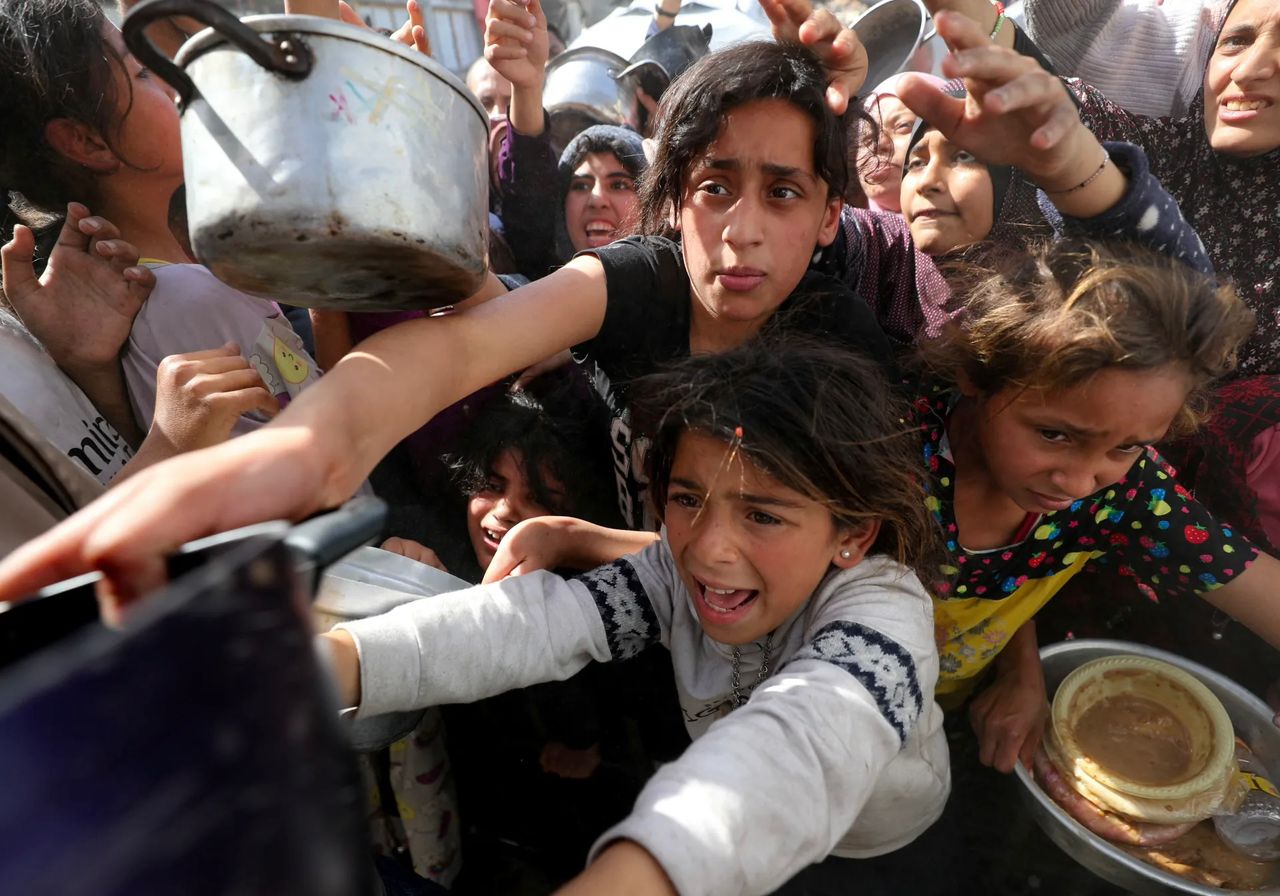
The UN World Food Programme (WFP) disclosed that about 318 million people worldwide are currently facing acute hunger, with hundreds of thousands already living in famine-like conditions. The agency cautioned that severe funding shortfalls are forcing it to reduce food rations and scale back lifesaving assistance at a time when needs are rapidly increasing.
WFP said its projected funding for 2026 stands at less than half of its required $13 billion budget, leaving the organisation able to reach only about 110 million people—roughly one-third of those in need.
Speaking ahead of the forum, WFP Assistant Executive Director for Partnerships and Innovation, Rania Dagash-Kamara, said hunger fuels displacement, conflict and instability, all of which undermine the markets businesses rely on. She stressed that sustainable economic growth cannot be built on a foundation of widespread hunger.
Dagash-Kamara, who is attending the Davos meeting, called on the private sector to recognise its direct stake in tackling food insecurity. She urged companies to invest in supply chains, technology and innovation that can stabilise fragile markets and safeguard workforces.
WFP also appealed to business leaders at Davos to prioritise hunger and food security, while supporting food-related technologies that improve efficiency and resilience.
Meanwhile, the UN International Organization for Migration (IOM) is also using the forum to advocate a shift in how migration is perceived. The agency urged political and business leaders to view migration as a driver of economic growth rather than a burden.
IOM Director General, Amy Pope, said well-managed migration can unlock economic potential, strengthen communities and offer durable solutions to displacement while respecting national sovereignty and human rights.
The agency highlighted ongoing partnerships with private companies and foundations, including the use of artificial intelligence to improve health screening, labour market planning and vocational training for displaced people. It also underscored the role of diaspora communities in investment, innovation and job creation.
Several senior UN officials are attending the forum, including UN General Assembly President Annalena Baerbock, WHO Director-General Tedros Ghebreyesus, UNDP Administrator Alexander De Croo, UN High Commissioner for Refugees Barham Salih, and IAEA Director-General Rafael Grossi.