




By Emmanuel Nduka Obisue
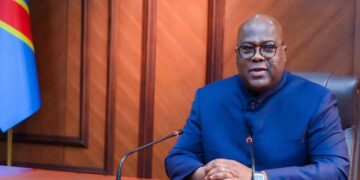
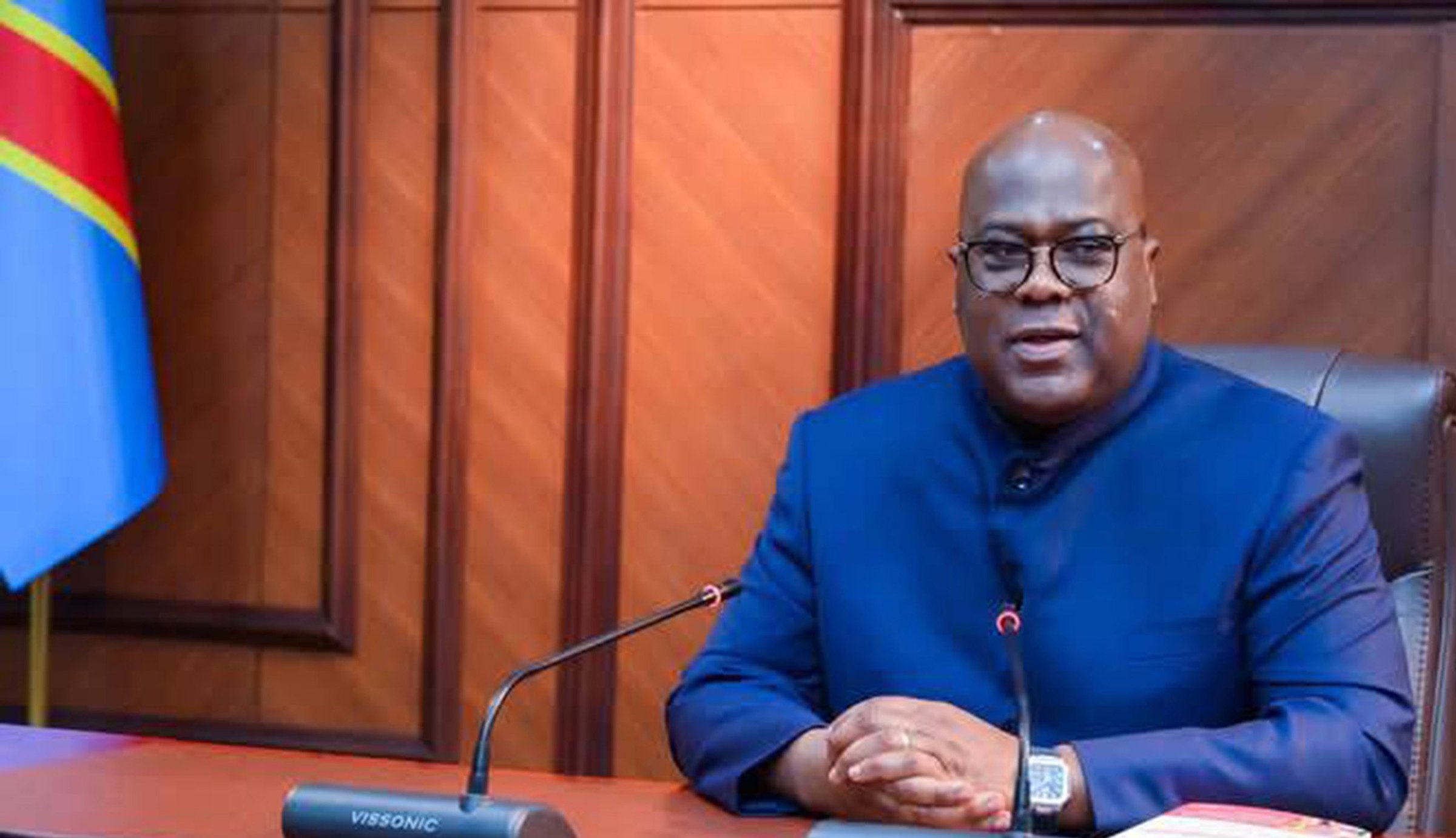
President Félix Tshisekedi has reiterated his readiness for an inclusive and peaceful national dialogue in the Democratic Republic of Congo, while laying out strict conditions for any such talks to take place.
Speaking during a New Year address to the diplomatic corps in Kinshasa on Saturday, Tshisekedi stressed that national unity has become “more than ever a fundamental requirement” for the country, as fighting persists in the east between government forces and Rwanda-backed M23 rebels.
The idea of an inter-Congolese dialogue has gained renewed attention in recent weeks, following calls from sections of the opposition and diplomatic backing from Angolan President João Lourenço.
However, Tshisekedi made it clear that the process would only proceed under clearly defined terms.
According to the president, any national dialogue must be held within the country and conducted under established institutional frameworks. He also insisted that the process must not undermine the legitimacy of elected authorities or question the mandate of institutions chosen through universal suffrage.
Tshisekedi’s stance comes despite ongoing challenges to his presidency by opposition figures who continue to dispute the outcome of the last election and criticise his governance. He further ruled out the possibility of reopening or overturning judicial rulings already handed down by the courts.
“Justice will follow its normal course with rigour, to the end, and without complacency, in order to honour the memory of those who have unjustly fallen as a result of the attack,” Tshisekedi said.
His remarks follow the controversial sentencing of former president Joseph Kabila, who was condemned to death in absentia by a military court in September. Kabila was convicted of war crimes, treason and crimes against humanity over alleged support for the advance of M23 rebels in eastern Congo, allegations he has firmly denied.
Looking ahead, Tshisekedi described 2026 as a pivotal year for the country, outlining priorities that include restoring durable security in the east, reasserting state authority, accelerating governance reforms, driving economic transformation and strengthening national cohesion.