










By Ebi Kesiena
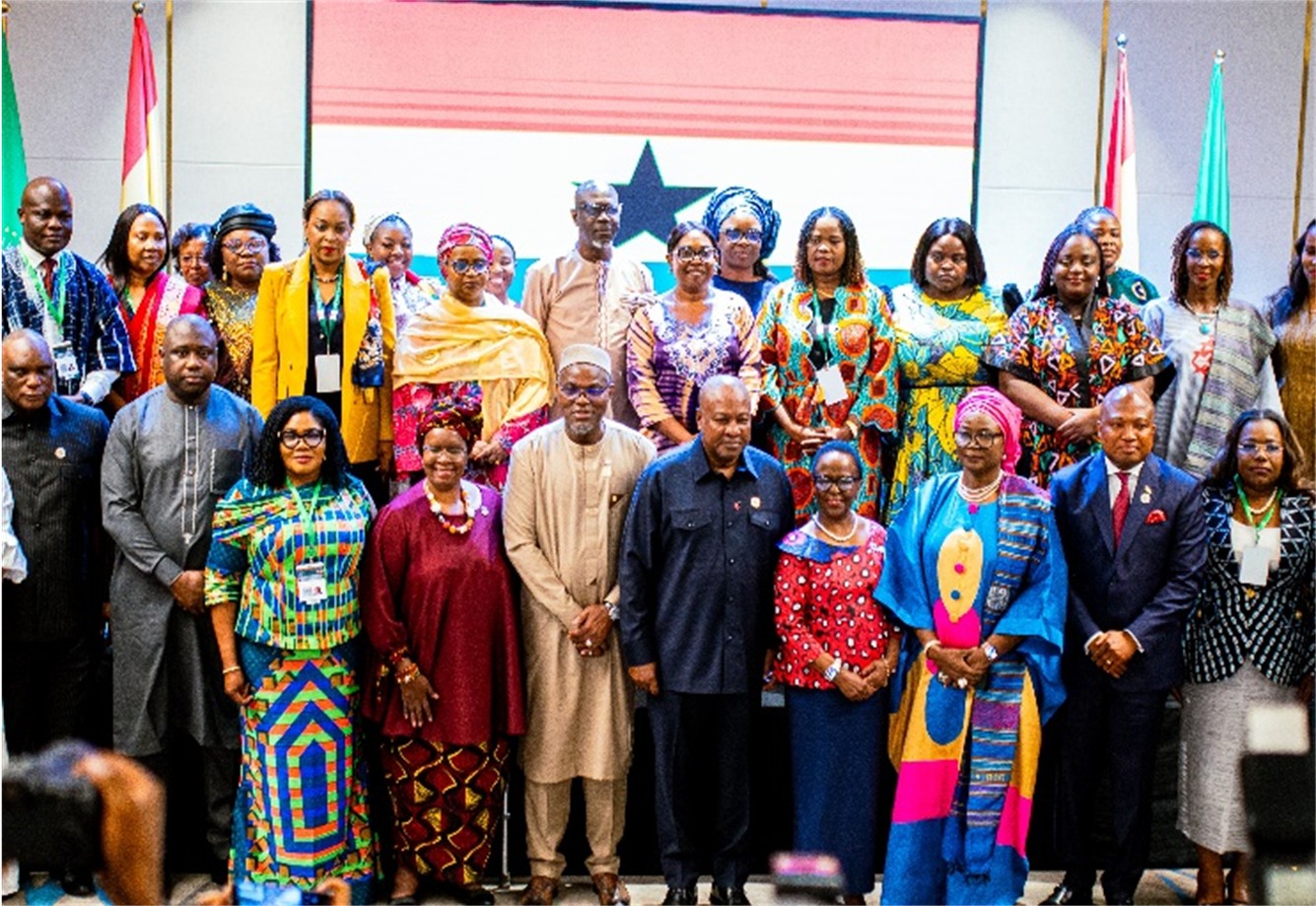
The African Union has renewed its commitment to advancing gender equality through increased financing and stronger political leadership, following a High-Level Breakfast Meeting held on the margins of its 39th Ordinary Session in Addis Ababa, Ethiopia.
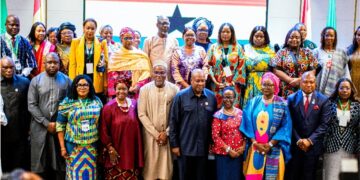
The meeting was convened by the Women, Gender and Youth Directorate of the African Union Commission in collaboration with the Republic of Ghana. It brought together Heads of State and Government, policymakers, development partners, financial institutions, private sector leaders and civil society actors to reinvigorate the AU Gender Champion’s Agenda and mobilise political and financial backing for the Women and Youth Financial and Economic Inclusion 2030 (WYFEI 2030) initiative.
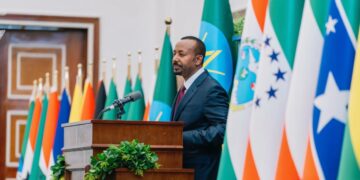
The session was hosted by President John Dramani Mahama, who serves as the AU Champion for Gender and Development Issues. In his address, Mahama unveiled a renewed five-pillar strategy anchored on political leadership, resource mobilisation, policy coherence, accountability and strategic partnerships.
He stressed that although progress has been recorded across the continent, the pace remains insufficient to meet Africa’s development ambitions and global gender equality targets.
“Advancing gender equality is not merely a moral obligation; it is a strategic imperative for Africa’s sustainable development and inclusive growth,” Mahama said, urging leaders to move beyond declarations and ensure that commitments are reflected in national budgets, measurable targets and transparent accountability frameworks.
Participants at the meeting outlined the continent’s aspirations under Agenda 2063 are closely linked to unlocking the economic potential of women and young people. They acknowledged that while Africa has adopted strong normative instruments, including the Protocol to the African Charter on Human and Peoples’ Rights on the Rights of Women in Africa (Maputo Protocol), the AU Convention on Ending Violence Against Women and Girls, and the African Women’s Decade on Financial and Economic Inclusion (2020–2030), implementation gaps remain a major challenge.
Delegates identified persistent structural barriers such as limited access to credit, land ownership, markets and digital innovation as key constraints preventing women and youth from fully participating in economic life. They further noted that recent economic shocks and climate-related crises have slowed, and in some cases reversed, hard-won gains in gender equality across parts of the continent.
The High-Level Meeting centred on four strategic objectives, securing renewed political leadership for gender equality in line with Agenda 2063; advocating increased and targeted financing to bridge gender gaps in financial and economic inclusion; strengthening and repositioning the AU Gender Champion’s Agenda as a credible accountability and visibility mechanism; and promoting stronger partnerships with the private sector, financial institutions and civil society under the WYFEI 2030 framework.
According to a report distributed by the APO Group on behalf of the African Union, the meeting concluded with a strategic panel discussion focused on enhancing collaboration among stakeholders to accelerate Gender Equality and Women’s Empowerment (GEWE).
The panel aimed to catalyse partnerships capable of translating high-level political commitments into tangible and scalable outcomes for women and youth across Africa, reinforcing the continent’s resolve to close gender gaps and drive inclusive economic transformation.