















By Ebi Kesiena
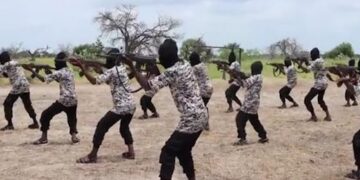
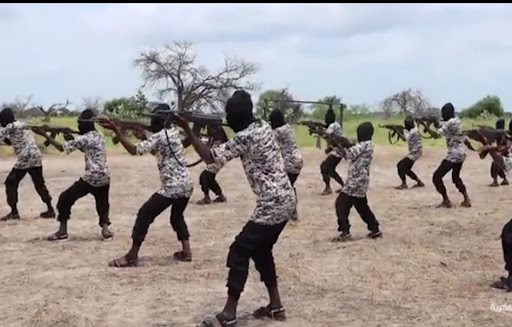
United Nations (UN) has identified Nigeria as one of the countries with some of the highest levels of child recruitment by armed groups, raising fresh concerns over the continued exploitation of minors in conflict zones.
The disclosure was made in commemoration of the International Day Against the Use of Child Soldiers, observed annually in February, as the global body warned that children remain among the most vulnerable victims of armed violence.
The UN Special Representative for Children and Armed Conflict, Vanessa Frazier, described the recruitment and use of children in hostilities as one of the most pervasive and devastating violations in contemporary conflicts.
“In 2024 alone, over 7,400 children were recruited or used by armed forces and armed groups, and those are only the verified cases. Over the last 30 years, we have separated more than 220,000 children from armed gangs,” she stated,
According to Frazier the confirmed figures likely represent only a fraction of actual incidents.
Nigeria was listed alongside the Democratic Republic of the Congo, Somalia, Syria and Myanmar as countries where grave violations against children remain widespread.
Frazier stressed that behind every statistic is a child whose life path has been altered by violence. “Each number in our report represents a child whose innocence has been interrupted,” she said.
Her office currently monitors about 26 conflict situations globally, with the highest number of documented violations recorded in the Democratic Republic of the Congo, Nigeria, Somalia, Syria and Myanmar.
Beyond documenting abuses, the UN engages directly with armed actors to negotiate the release of children and ensure their safe return to civilian life. “Once separated, UNICEF and our partners work on their reintegration, ensuring they receive psychosocial support, access to education and the opportunity to rebuild their lives,” she explained.
However, reintegration often presents social and cultural challenges, particularly for girls who may return with children born of captivity and face stigma within their communities. According to Ms Frazier, societal perceptions sometimes hinder full reintegration, compounding the trauma experienced by survivors.
She emphasised that prevention remains central to ending child recruitment, highlighting access to education as a critical protective factor. Children who are out of school, she warned, become significantly more vulnerable to forced or coerced recruitment.
Accountability, she added, is equally essential. Prosecuting those responsible for recruiting children sends a strong deterrent message. “When warlords or armed group leaders are prosecuted and sentenced for recruiting children, including in national courts and in cases before the International Criminal Court, it demonstrates that such crimes will not go unpunished,” she said.
She however, maintained that sustained investment in education, structured reintegration programmes and robust accountability mechanisms remains critical to protecting children and fostering lasting peace in conflict-affected societies.