




By Enyichukwu Enemanna
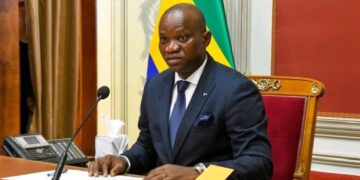
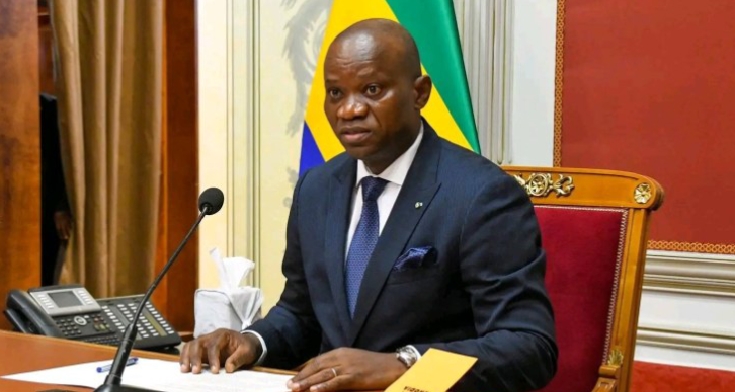
Gabon’s President, Gen Brice Oligui Nguema has suspended social media platforms “until further notice”, saying online content has fuelled conflict and deepened divisions in the country.
The country’s media regulator, High Authority for Communication (HAC) cited the “spread of false information”, “cyberbullying” and the “unauthorised disclosure of personal data” as reasons for the decision.
Internet monitoring group NetBlocks reported that by Wednesday afternoon multiple online platforms had been restricted, including Facebook, Instagram, TikTok, YouTube and WhatsApp.
Nguema won presidential elections last year after leading a coup in 2023. The 50-year-old President is facing growing social unrest, with teachers and civil servants staging strikes over pay and working conditions.
According to Netblocks, most internet providers had blocked access to the social media platforms, though its data showed that Gabon Telecom, the country’s largest telecoms firm, was allowing very limited access.
The HAC’s announcement has come as a shock to the central African nation of about 2.5 million people, where social media is particular popular with younger people who use it for business as well as pleasure.
Speaking on condition of anonymity, a restaurant owner in the capital, Libreville, told the BBC the suspension would greatly affect his business, since he uses social media for promotion.
Nguema won last year’s poll with more than 90% of the vote, two years after his coup ended more than five decades of rule by the Bongo family.
At the time he pledged to reform Gabon, a small, oil- and timber-rich country, where digital blackouts were used by the previous governments to control information.
For the first time, foreign and independent media were allowed to film the ballot count during the election.
The media regulator spokesman, Jean-Claude Mendome, said the suspension was prompted by the recurring dissemination on social networks and digital platforms of ” inappropriate, defamatory, hateful, and insulting content that undermines human dignity, social cohesion, the stability of the republic’s institutions, and national security”.
Such actions, he said, were likely to “generate social conflict” and “seriously jeopardise national unity, democratic progress, and achievements”.
But “freedom of expression, including freedom of comment and criticism,” remained “a fundamental right enshrined in Gabon”, Mendome added.