




















By Ebi Kesiena
At least 48 people have been confirmed dead after severe flooding triggered by heavy rainfall struck the Gamo area in southern Ethiopia, authorities said on Wednesday.
The South Ethiopia Regional State Police Commission disclosed that the flooding affected three districts in the Gamo Zone, where rescue teams have been working to recover victims and search for those still missing.
“The number of bodies recovered from the natural disaster that struck three districts of Gamo Zone has reached 48,” the police commission said in a statement posted on X.
Officials also reported that about 95 people were still missing, although it remains unclear whether that figure includes some of the victims whose bodies have already been recovered.
Emergency responders have continued search-and-rescue operations in affected communities as authorities assess the scale of destruction caused by the floods.
The disaster comes amid a wave of heavy rainfall that has battered several parts of East Africa in recent days, raising concerns about worsening climate-related weather patterns across the region.
In neighbouring Kenya, dozens of people were also reported killed after torrential rainfall triggered widespread flooding in the capital, Nairobi, and other areas last Friday.
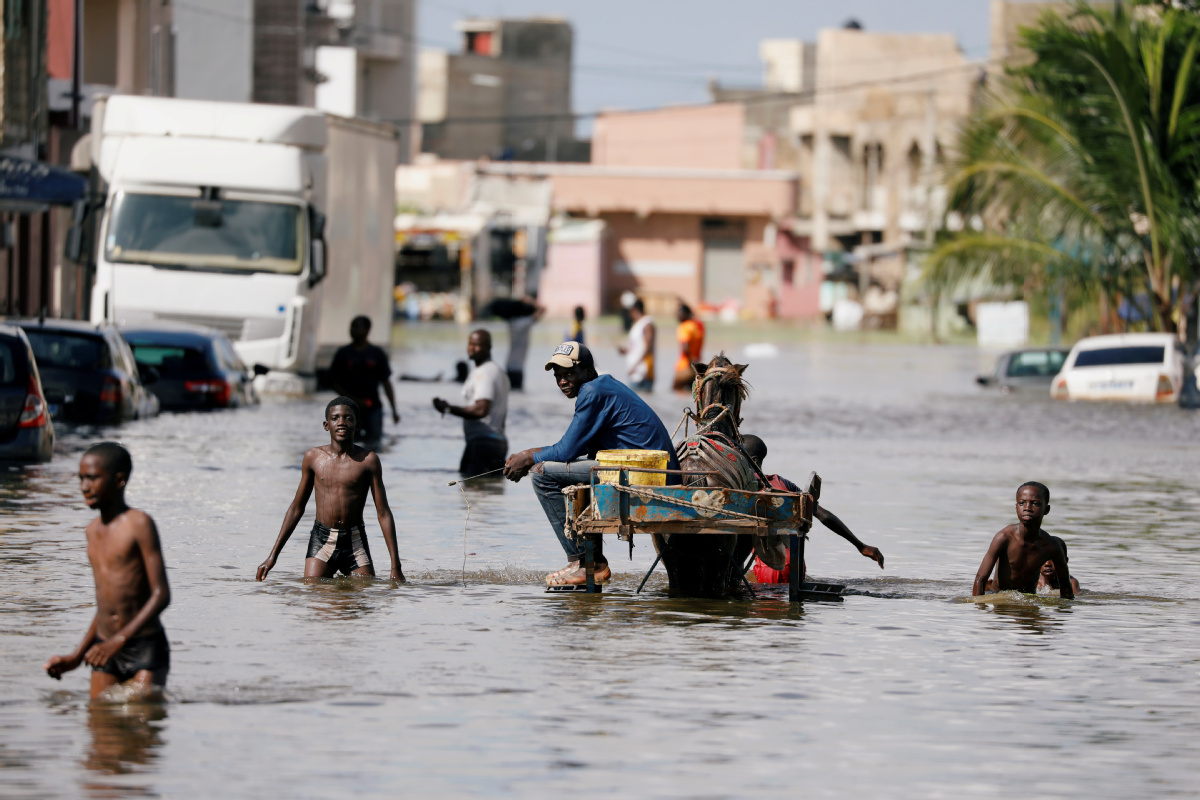
The flooding disrupted transportation, submerged residential areas and forced several families to flee their homes as emergency services struggled to cope with the sudden surge in water levels.
Climate researchers have increasingly linked such extreme weather patterns in East Africa to broader shifts in global climate conditions. Several studies have documented a growing frequency of intense wet and dry spells across the region over the past two decades.
Scientists have repeatedly warned that human-driven climate change is amplifying the likelihood, duration and severity of extreme weather events worldwide, including powerful storms and torrential downpours that can trigger devastating floods.
Authorities in the affected Ethiopian districts have urged residents living in vulnerable communities to remain vigilant as rainfall continues in parts of the region. Relief agencies are also mobilising assistance for families displaced by the disaster while rescue teams continue the search for those still unaccounted for.