


















By Ebi Kesiena
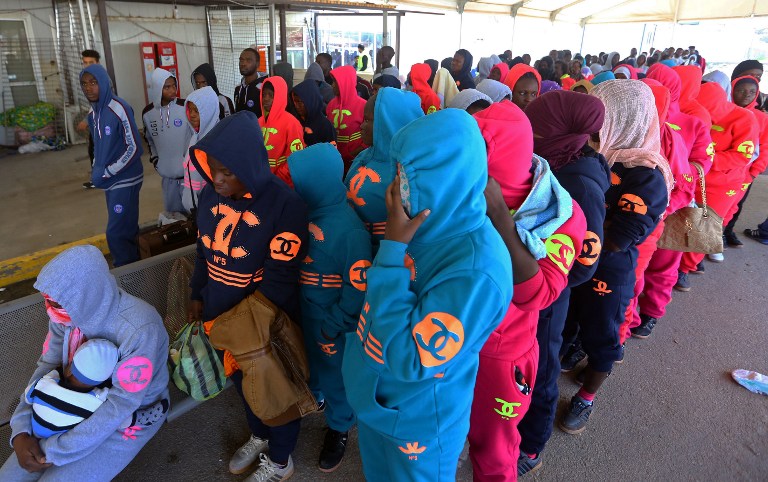
The International Organization for Migration (IOM) has revealed that more than 60,300 migrants have returned to Nigeria since 2017 through assisted voluntary return programmes aimed at rescuing citizens stranded along irregular migration routes.
The disclosure was made by the agency’s Chief of Mission in Nigeria, Sharon Dimanche, during a media engagement over the weekend.
Dimanche explained that many of the returnees were victims of exploitation, abuse, and other dangers encountered while attempting to migrate through unsafe routes in search of better opportunities abroad.
“These returns were carried out under programmes to rescue migrants trapped along irregular migration routes and support their reintegration into society,” she said.
She noted that beyond facilitating the safe return of migrants, the organisation provides support to help them rebuild their lives through economic reintegration initiatives, psychosocial assistance, and livelihood programmes.
According to Dimanche, migration remains a significant humanitarian and development concern in Nigeria, particularly as the country hosts about 3.7 million internally displaced persons affected by conflicts and natural disasters.
“Supporting them with shelter, water, protection, and basic services is essential,” she added.
The IOM chief explained that the organisation’s operations in Nigeria focus on three key priorities — saving lives during migration crises, assisting displaced persons to rebuild their lives, and promoting safe and regular migration pathways.
She warned that despite ongoing awareness campaigns, many young Nigerians still undertake dangerous migration journeys due to limited economic opportunities at home.
“Too many young people still risk their lives on dangerous journeys, believing there is no other option. Migration should never be a desperate gamble. It should happen safely, legally, and with dignity,” she said.
Dimanche further emphasised that migration, when effectively managed, can contribute significantly to national development, but requires strong collaboration among governments, international organisations, communities, and the private sector.
She also acknowledged the support of state governments and development partners in implementing reintegration initiatives and public awareness campaigns aimed at discouraging irregular migration.
According to her, millions of Nigerians have already been reached through sensitisation campaigns highlighting the risks of irregular migration and the availability of safer alternatives.