

















By Emmanuel Nduka
Lesotho reportedly earns more than $300 million annually by supplying water to neighbouring South Africa – a lifeline that is becoming increasingly valuable as water pressure intensifies across the region.
With an economy valued at just over $2 billion and traditionally reliant on textiles and diamond exports, Lesotho is leveraging its natural highland reserves to generate significant national income. This is water royalties alone now account for a notable share of government revenue, underscoring the resource’s growing strategic importance.
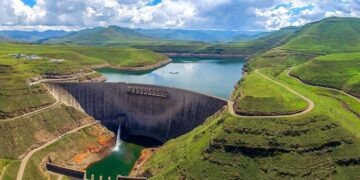
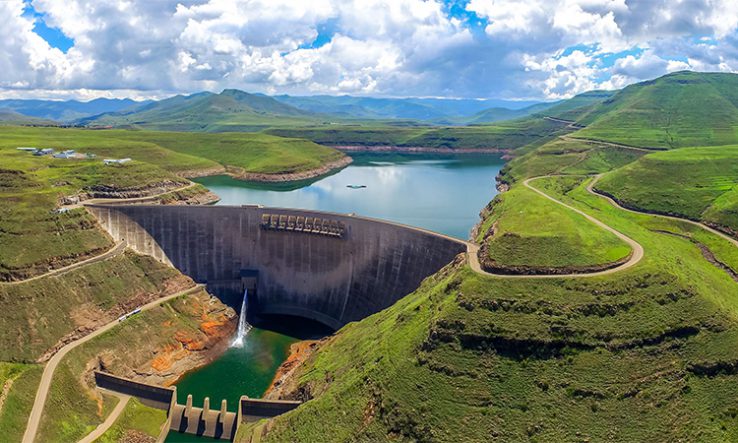
At the centre of this arrangement is the Lesotho Highlands Water Project, a multi-billion-dollar initiative launched in 1986. The system channels water from Lesotho’s highlands, primarily through the Katse and Mohale dams, into South Africa’s industrial and economic hubs, including Johannesburg. It currently transfers 800 million cubic metres of water annually, supplying about 60 percent of Johannesburg’s needs.
However, as demand rises and supply challenges persist in South Africa, Lesotho is pushing to renegotiate the decades-old agreement. The government argues that existing compensation terms no longer reflect current economic realities or the true value of water as a strategic resource.
Natural Resources Minister Mohlomi Moleko has indicated that talks with South Africa are expected to commence soon, with a focus on increasing royalties and ensuring fairer compensation. According to officials, any revised deal must improve livelihoods and better reflect the importance of the resource to both countries.
Meanwhile, water shortages in Johannesburg have exposed deep structural issues. Despite adequate rainfall and full dams, ageing infrastructure, poor maintenance, and delayed upgrades have disrupted supply, leaving some communities without reliable water for weeks. The crisis has sparked protests and forced many residents to rely on expensive bottled water.
South African President Cyril Ramaphosa has responded by setting up a national crisis committee and pledging over 150 billion rand for water and sanitation infrastructure over the next three years.
Compounding the situation are delays in the second phase of the water project, now expected to be completed by 2030. The setback could prolong shortages in key urban and industrial centres, further increasing reliance on Lesotho’s supply.
Beyond water exports, Lesotho is also exploring opportunities to expand hydropower generation and invest in renewable energy, including floating solar projects – moves that could transform it into a regional energy exporter.
As climate pressures mount across Southern Africa, water is fast becoming a defining economic and geopolitical resource. For Lesotho, this growing leverage is prompting a strategic shift. It is one aimed at securing a larger share of the value it provides while reshaping regional dynamics in the process.