




















By Enyichukwu Enemanna
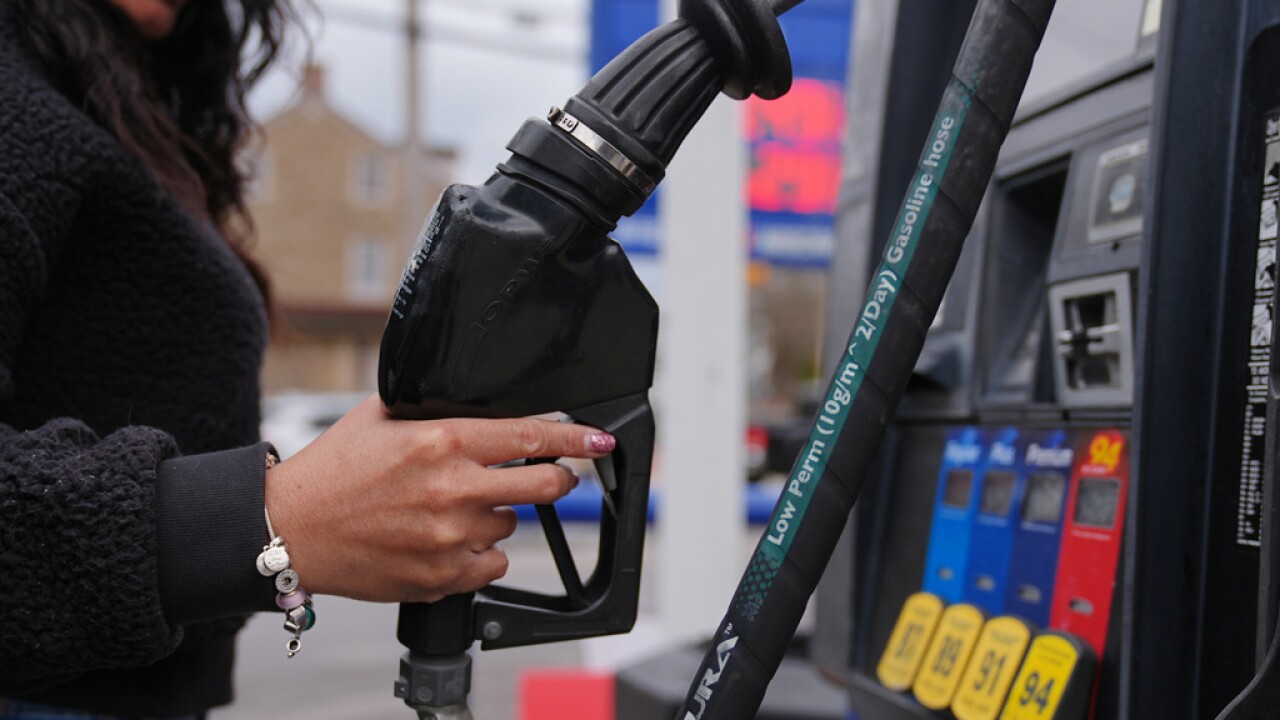
For the first time since 2022, the average pump price of gas in the United States has risen above $4, even as the Iran war continues to push up fuel prices in most parts of the world.
The national average for a gallon of regular gasoline is now $4.02, more than a dollar higher than when the war began, according to the AAA motoring organisation. The price of diesel is also around $1.70 higher.
The closure of the Strait of Hormuz, a key waterway, for the past month has implied that the production and transportation of energy across the Middle East has been crippled.
The cost of crude oil, a vital ingredient in gas and diesel, has increased as a result.
US President Donald Trump made lower prices at the pump a key part of his election election campaign in 2024.
The US leader has described the current rise as a temporary disruption that should have little major impact.
But analysts are raising concern that high gas prices could cause households to dial back spending, increasing the risks of economic damage.
“If the conflict is contained soon, the hit to confidence may be temporary,” analysts at Moody’s Ratings Agency wrote in a recent note. “But a prolonged crisis could prompt more precautionary saving and further discretionary spending cuts.”
Before the conflict began on 28 February, gas in the US averaged about $2.98 a gallon.
Diesel, which is key to goods transport, was about $3.76. The average price is now $5.45, a rise expected to feed into higher food costs.
In addition to high crude oil prices, last week the AAA also pointed to high demand for gas from spring break season as another factor in rising pump prices.
The $4.02 price is the highest since August 2022. As it is a national average, drivers in some states will have already been paying more than $4 a gallon.
Average prices are still below the record highs of $5.01 for gas and $5.81 for diesel, set in June 2022 in the aftermath of Russia’s invasion of Ukraine.
But the increase in prices could have a bigger impact on household budgets this time,chief economist for the US at Natixis CIB, Christopher Hodge warned.
“Consumers are in a much weaker position now than they were in 2022,” he said, noting that job and wage growth were stronger then and many households had built up savings during the pandemic.