








By Emmanuel Nduka
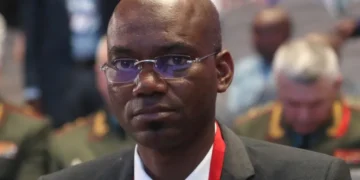
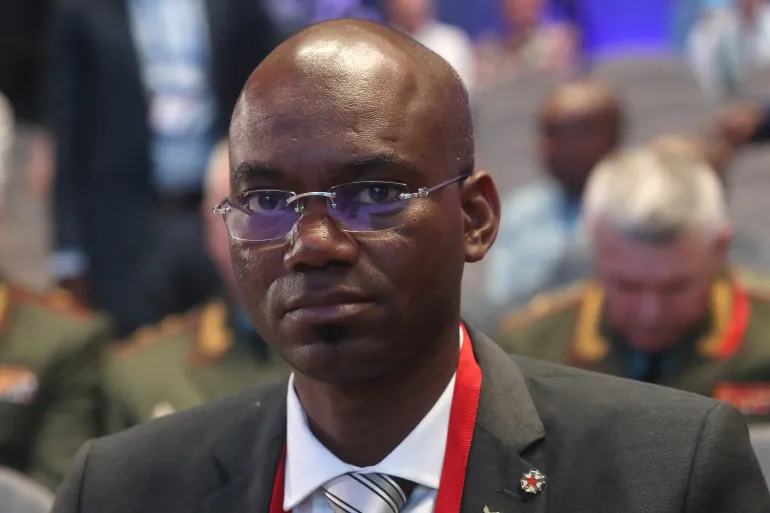
Sadio Camara, Mali’s defence minister and a central figure in the country’s military leadership, has been killed following a wave of coordinated attacks on key military targets across the country.
The development comes days after his residence in Kati which stands as a heavily fortified garrison town near the capital, Bamako, was struck during simultaneous assaults launched by armed groups, including fighters linked to Jama’at Nusrat al-Islam wal-Muslimin and Tuareg rebels from the Azawad Liberation Front.
Camara, widely regarded as one of the most powerful figures within the ruling military establishment, played a pivotal role in the juntas that seized power in 2020 and 2021. His death is expected to significantly weaken the cohesion and operational command of Mali’s armed forces at a time of escalating insecurity.
According to reports, the attack on his residence involved a suicide car bomb, breaching one of the most secure military zones in the country. The scale and precision of the assault have raised fresh concerns about the capacity of armed groups to penetrate high-security locations.
Despite the intensity of the attack, interim leader Assimi Goïta was swiftly moved to safety and remains in control of the government, according to sources familiar with the situation.
Beyond Kati, coordinated attacks were reported in multiple regions, including the northern cities of Gao and Kidal, as well as the central town of Sévaré. Witnesses described sustained gunfire and explosions continuing more than 24 hours after the initial attack, indicating an extended and highly organised operation.
Security analysts warn that the violence may intensify in the coming days, particularly as rival armed factions appear to be aligning against the Malian state. The emerging collaboration between jihadist elements and separatist groups marks a dangerous shift in the conflict’s dynamics.
International actors, including the African Union, the Organisation of Islamic Cooperation, and the United States Bureau of African Affairs, have condemned the attacks, calling for restraint and urgent measures to stabilise the country.
Camara’s death underscores the deepening fragility of Mali’s security architecture and raises questions about the military government’s ability to contain a rapidly evolving insurgency.