










By Enyichukwu Enemanna
African nations on Sunday renewed their push for the global community to accord recognition to colonial-era crimes and for such atrocities to be criminalized and addressed through reparations.
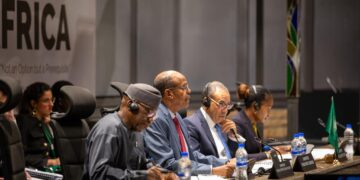
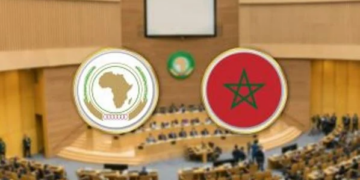
At a conference in Algiers, diplomats and leaders convened to advance an African Union resolution passed at a meeting earlier this year calling for justice and reparations for victims of colonialism.
In his opening speech, Algerian Foreign Minister Ahmed Attaf said Algeria’s experience under French colonial rule underscored the need to seek compensation and reclaim stolen property.
According to Attaf, legal framework would ensure restitution is seen as “neither a gift nor a favor.”
“Africa is entitled to demand the official and explicit recognition of the crimes committed against its peoples during the colonial period, an indispensable first step toward addressing the consequences of that era, for which African countries and peoples continue to pay a heavy price in terms of exclusion, marginalization and backwardness,” Attaf said.
International conventions and statutes accepted by a majority of countries have outlawed practices including slavery, torture and apartheid.
The United Nations Charter prohibits the seizure of territory by force but does not explicitly reference colonialism.
The economic cost of colonialism in Africa is believed to be staggering, with some estimates putting the cost of plunder in the trillions.
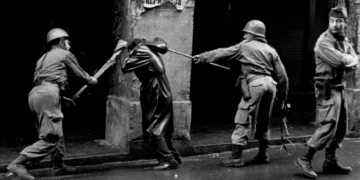
European powers extracted natural resources from Africa, often through brutal methods, amassing vast profits from gold, rubber, diamonds and other minerals, while leaving local populations impoverished.
African states have in recent years intensified demands for the return of looted artifacts still housed in European museums today.
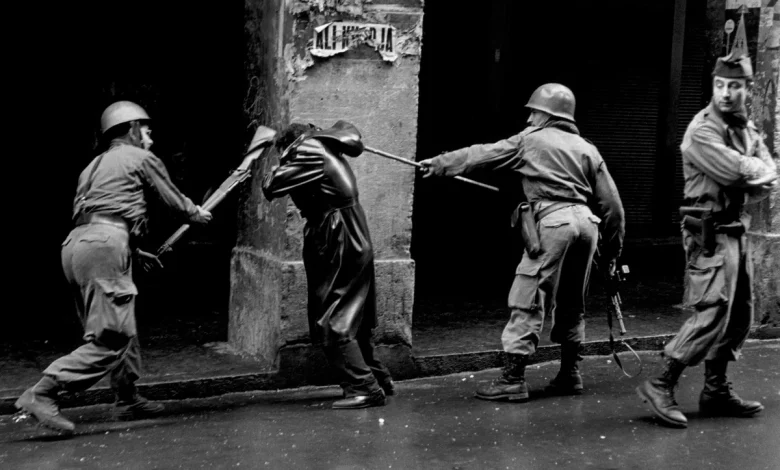
Attaf said it was no mistake that the conference was held in Algeria, a country he claims suffered some of the most brutal forms of French colonial rule and fought a bloody war to win its independence.
“Our continent retains the example of Algeria’s bitter ordeal as a rare model, almost without equivalent in history, in its nature, its logic and its practices,” Attaf said.
Algeria has for decades pressed for colonialism to be tackled through international law, even as its leaders tread carefully to avoid inflaming tensions with France, where the war’s legacy remains politically sensitive.
French President Emmanuel Macron in 2017 described elements of the history as a crime against humanity but did not issue an official apology and implored Algerians not to dwell on past injustices.