



















By Ebi Kesiena
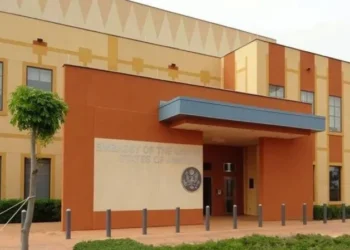
Growing discontent is emerging across Africa over a series of bilateral health funding agreements being negotiated between the United States and several African governments, amid concerns that the deals may disproportionately favour Washington’s interests.
The Africa Centres for Disease Control and Prevention, Africa CDC on friday raised alarm over provisions relating to data governance and pathogen sharing, warning that the agreements could require African countries to hand over sensitive health data as a condition for receiving financial support.
Africa CDC Director-General, Jean Kaseya cautioned that while countries may be obligated to share pathogen samples and critical health information, there is no assurance that vaccines, diagnostics, or treatments developed from such data would be equitably accessible to contributing nations.
The concerns follow mounting resistance from some African governments. Zimbabwe recently withdrew from negotiations over a proposed $367 million health agreement, describing the arrangement as unequal and raising objections over provisions involving sensitive health data. Zambia has also delayed signing a similar deal, citing fears that certain clauses could undermine national interests, particularly regarding data control and access to medical resources.
The bilateral agreements are being pursued under the “America First” global health policy advanced by former US President Donald Trump, following the dismantling of much of the US development agency, United States Agency for International Development (USAID).
Reports indicate that at least 17 African countries have signed agreements collectively worth about $11.3 billion in aid. However, critics argue that the funding may come with significant concessions, some extending beyond public health cooperation.
In Nigeria, funding discussions reportedly include conditions linked to addressing alleged religious persecution, while Zambia’s negotiations are said to involve US access to strategic mineral resources. The agreements also reportedly require participating countries to depend on US regulatory approval processes before deploying new drugs and medical technologies.
Analysts warn that while the deals could provide much-needed health financing, they also raise broader questions about sovereignty, equity, and Africa’s control over its health data and resources.