





















By Enyichukwu Enemanna
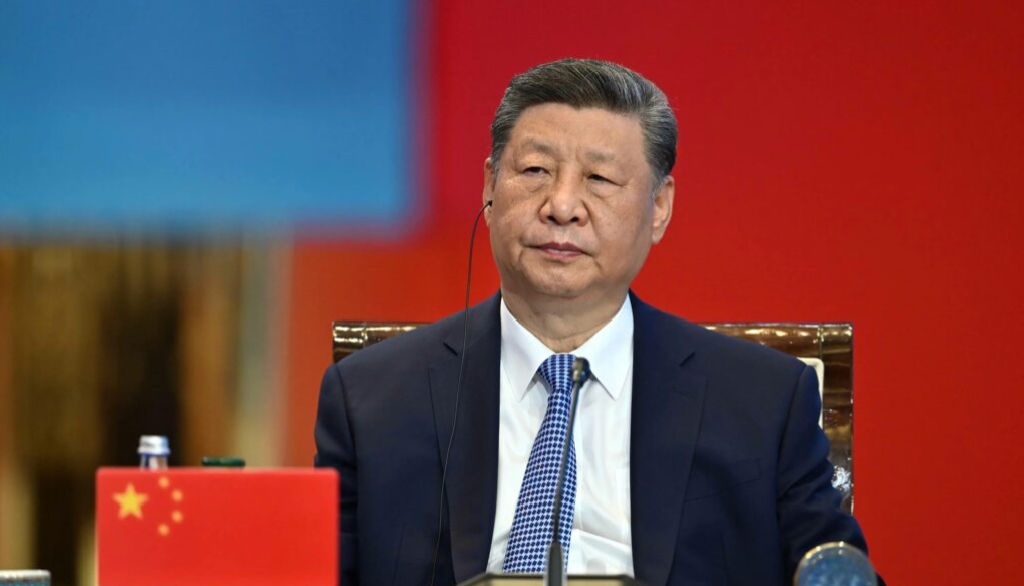
With effect from May 1, 2026 tariffs will no more apply on imports from nearly all African nations to China, President Xi Jinping announced on Saturday, a development expected to deepen economic ties between Beijing and the 54-nation continent.
The zero-tariff policy will apply to all African nations that maintain diplomatic relations with China, except Eswatini, which recognises Taiwan, China’s government-owned media reported, a territory which Beijing lays claim to.
China already grants duty-free access to goods from 33 African countries but last year pledged to extend the arrangement to all 53 of its diplomatic partners on the continent.
Xi said the decision would “undoubtedly provide new opportunities for African development,” announcing the implementation date as African leaders gathered in Ethiopia for the annual summit of the African Union.
Under the Belt and Road Initiative, China is a major financier of infrastructure projects in Africa as well as the continent’s largest trading partner.
The tariff removal is expected to expand African exports, particularly agricultural and raw materials into the Chinese market, while strengthening the influence of Beijing, which is in rivalry with Washington across the continent.
The policy reflects shifting global trade dynamics after the United States President Donald Trump imposed sweeping tariffs worldwide last year, pushing several African economies to diversify trade partnerships.
The exclusion of Eswatini underscores Beijing’s long-standing position that countries must cut official ties with Taiwan to access certain economic benefits. China has not ruled out forceful reunification despite repeated warning from Washington against any military action in Taiwan.
Analysts say the tariff-free access could improve export competitiveness for African producers but may also increase dependence on the Chinese market.
Economists note that the real gains for Africa will depend on countries’ ability to scale manufacturing and meet Chinese import standards, rather than relying solely on commodity exports.