









By Enyichukwu Enemanna
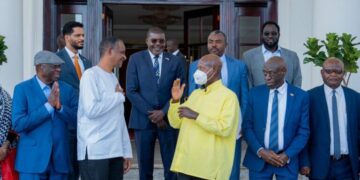
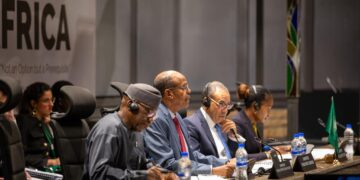
A team from regional bloc, the Economic Community of West African States (ECOWAS) on Monday arrived Guinea-Bissau for mediation talks with the leaders of a coup last week, seeking “complete restoration of constitutional order.”
The arrival of the mission, led by its chairman and the President of Sierra Leone Julius Maada Bio, coincides with an order by the military government, which seized power last Wednesday placing a ban on all demonstrations, strikes and activities it regards as “threat” to peace and stability.
The military authorities in a statement on Sunday also ordered public institutions and ministries to reopen.
Soldiers had taken control of power in the West African nation three days after a fiercely contested presidential and parliamentary elections. Two major contenders claimed victory before the presidential election even before final announcement of result.
During the coup Guinea-Bissau’s President Umaro Sissoco Embalo told French media in telephone conversation that he had been deposed and arrested. Embalo has since fled to the Republic of Congo’s capital Brazzaville.
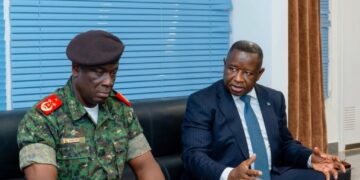
Guinea-Bissau’s military has since installed former army chief of staff Gen. Horta Inta-a as the head of the military government, which will oversee a one-year transition period.
On Saturday Inta-a appointed a new 28-member government, most of whom are allies of the ousted President.
Nigeria said its President Bola Tinubu has granted protection for Guinea-Bissau opposition candidate Fernando Dias da Costa in response to an ”imminent threat to his life.”
Earlier, former Nigerian leader, Goodluck Jonathan who led an observation mission to the election discredited the coup as “staged”.
UN Secretary-General Antonio Guterres expressed grave concern over the events in Guinea-Bissau and condemned the coup.
In a statement, Guterres stressed that disregarding “the will of the people who peacefully cast their vote during the Nov. 23 general elections constitutes an unacceptable violation of democratic principles.”
He called for the “immediate and unconditional restoration of constitutional order,” as well as the release of all detained officials, including electoral authorities, opposition leaders and other political actors.