





By Ebi Kesiena
The global billionaire population has climbed to an all-time high of 3,000 in 2025, according to a newly published report by Oxfam.
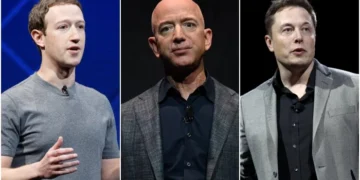
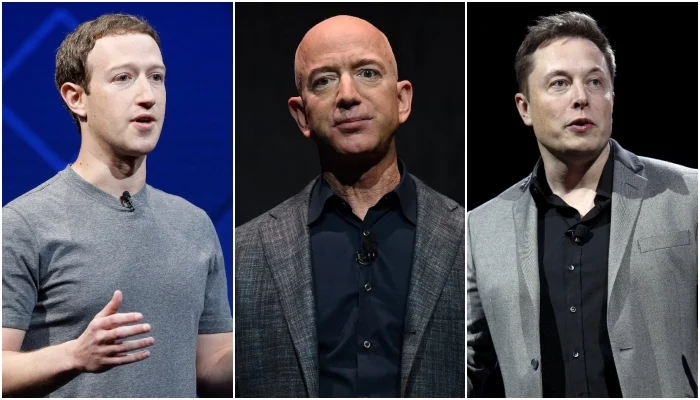
The report reveals a dramatic surge in extreme wealth, noting that billionaire numbers and fortunes are growing at an unprecedented pace. It also revealed that Tesla and SpaceX chief executive Elon Musk has, for the first time, become the richest individual in history, with an estimated net worth of $500 billion.
Oxfam warned that billionaires are accumulating wealth far faster than the global average, deepening inequality worldwide. Their combined fortunes now exceed the total wealth of billions of ordinary people, even as many governments struggle to tackle poverty, rising living costs, and unequal access to basic resources. The growing concentration of wealth has intensified debates around fairness, social justice, and the influence of money on politics.
According to the report, the expansion of billionaire wealth has accelerated sharply over recent decades. “The growth in the billionaire population is faster than ever before. Over the past several decades, the number of billionaires has tripled, with their wealth expanding at rates well above the global average,” Oxfam stated.
The report further noted that inequality is worsening in several countries at a faster rate than observed in the previous four years. It revealed that the world’s 12 richest individuals now control more than $500 billion, an amount greater than the combined wealth of the poorest half of the global population. Globally, billionaires are estimated to be about 4,000 times more likely to amass wealth powerful enough to overshadow the political and economic influence of millions of people.
Oxfam traced the roots of this trend to long-standing links between extreme wealth and political power. In countries such as the United States, billionaires have increasingly used their financial resources to influence policy decisions, shape public opinion, and secure political allies. Weak legal and institutional frameworks often fail to hold the ultra-wealthy accountable, enabling further consolidation of power.
The report warned that excessive concentration of wealth can undermine democratic institutions, erode civil rights, and marginalize dissent. Critics argue that such inequality threatens social progress and the prospects of future generations. Citing former US Supreme Court Justice Louis Brandeis, the report reiterated that democracy cannot thrive alongside extreme concentrations of wealth.
Oxfam concluded that the record number of billionaires in 2025 shows urgent global challenges around inequality, governance, and the future of democratic systems.