






















By Enyichukwu Enemanna
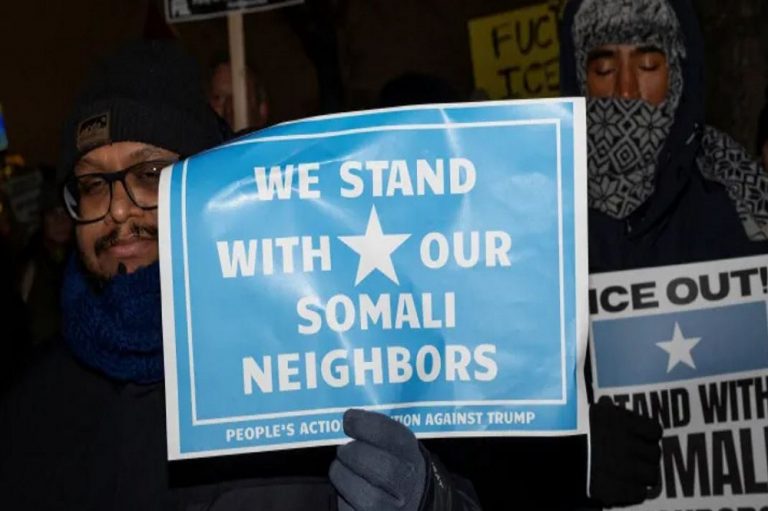
Immigrant rights advocates and groups on Monday instituted a legal action seeking to stop U.S. President Donald Trump from a planned effort to end legal protections that allow nearly 1,100 Somalis to live and work in the United States from next week.
The lawsuit filed by four Somalis and two advocacy groups, challenges the U.S. Department of Homeland Security’s decision to end Temporary Protected Status (TPS) for Somali immigrants, whom Trump has derided in public remarks.
Outgoing Homeland Security Secretary Kristi Noem in January announced that TPS for Somalis would end on March 17, arguing that security situations in Somalia have improved, despite fighting continuing between Somali forces and al-Shabaab militants.
The initiators, which include the groups, African Communities Together and Partnership for the Advancement of New Americans, in the suit filed in Boston federal court argue that the move was procedurally flawed and driven by what they call discriminatory, predetermined agenda.
The lawsuit cites a series of comments attributed to Trump in which he described Somalis as “garbage” and “low IQ people” who “contribute nothing.”
The plaintiffs said the administration is ending TPS for Somalia and other countries due to unconstitutional bias against non-white immigrants, not based on objective assessments of country conditions.
“The termination of TPS for Somalia is racism masking as immigration policy,” Omar Farah, executive director at the legal group Muslim Advocates, said in a statement.
DHS has previously said TPS was “never intended to be a de facto amnesty program.”
TPS is a form of humanitarian immigration protection that shields eligible migrants from deportation and allows them to work. Under Noem, DHS has moved to end TPS for a dozen countries, sparking legal challenges.
The administration on Saturday announced plans to pursue an appeal at the U.S. Supreme Court in order to end TPS for over 350,000 Haitians. It also wants the high court to allow it to end TPS for about 6,000 Syrians.