













By Emmanuel Nduka Obisue
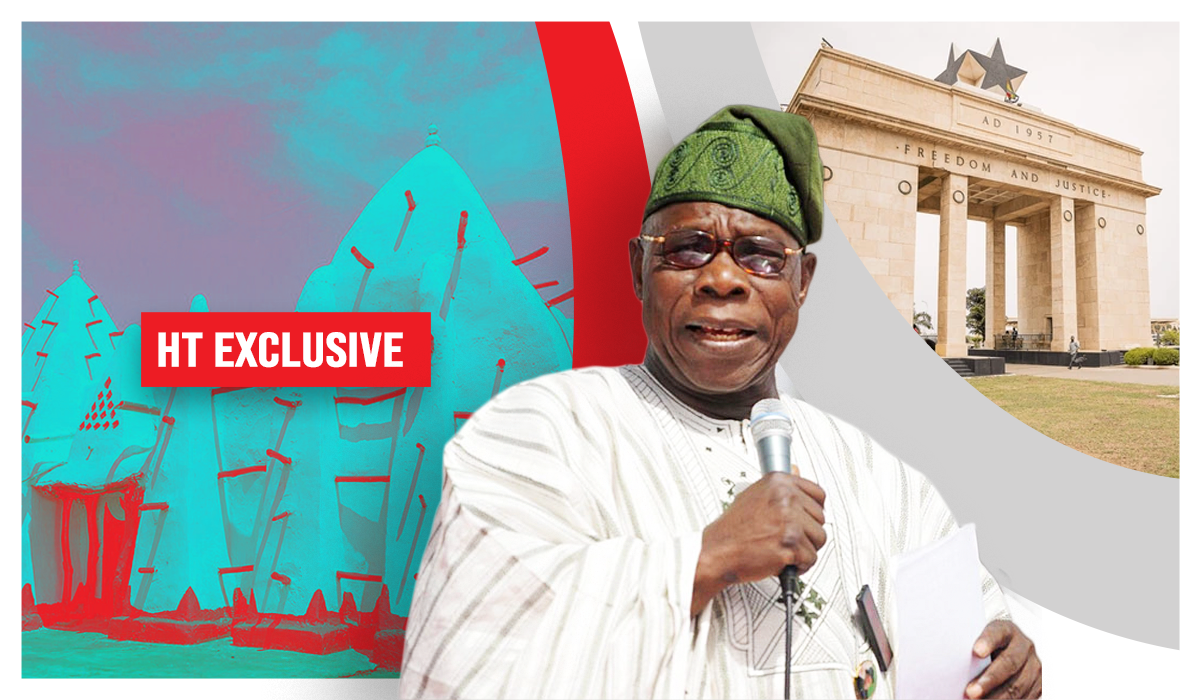
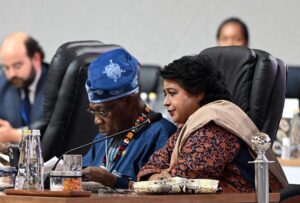
Former Nigerian President Olusegun Obasanjo’s intervention at the G20 Leaders’ Summit in Johannesburg was more than a ceremonial speech.
Delivered on December 3, 2025 under the banner of the Accra Reset, it was a carefully framed political and economic statement that sought to reposition the Global South, particularly Africa, from the margins of global decision-making to its negotiating table.
Here are five key talking points that define the substance and implications of Obasanjo’s message:
1. Accra Reset As A Global South Counterweight
Obasanjo presented the Accra Reset not as a protest movement but as a Global South–anchored platform for reforming development cooperation. By situating it alongside the G20, African Union and South Africa’s presidency, he framed the initiative as a credible counterweight to long-standing Global North–dominated systems.
The emphasis on country-led and regionally empowered solutions signals a pushback against one-size-fits-all development models historically imposed on Africa and other developing regions.
2. From Aid Dependency To Trade And Investment
One of the most striking elements of the speech was Obasanjo’s blunt critique of decades of aid and debt. He argued that aid is drying up and borrowing has become counterproductive, creating what he described as an “economy of dependency”.
The Accra Reset, he said, advocates a decisive shift toward trade, investment, and viable business models, aligning development finance with wealth creation, jobs for youth, and resilient supply chains. This reframing challenges both donors and recipients to rethink development as mutual economic interest rather than charity.
3. Structural Reform Of Global Governance
The former Nigerian President underscored the need for deep structural reform of global financial and governance systems, praising the South African G20 Presidency for prioritising equity, inclusive growth, and Global South participation.
The announcement of a High-Level Panel to prepare a landmark report on restructuring global governance, to be submitted to leaders from both the Global North and South signals an ambition to move beyond rhetoric toward institutional change.
4. Africa As A Co-Creator, Not A Passive Beneficiary
A recurring theme in the speech was dignity and sovereignty. Obasanjo stressed that future solutions must be co-created, not imposed, and negotiated with fairness rather than inherited from historical imbalances.
By positioning Africa and the wider Global South as partners in shaping health governance, digital cooperation, and development finance, the Accra Reset seeks to redefine Africa’s role from aid recipient to co-architect of the global order.
5. A New Multilateral Partnership Moment
Perhaps the most strategic aspect of the address was its tone of cooperation rather than confrontation, as Obasanjo repeatedly emphasised that the Accra Reset is not a parallel structure competing with the G20, but a strategic reinforcement of its reform agenda.
His call for a “workable multilateral order” and a transition from “endless aspirational targets to workable business models” suggests a pragmatic approach aimed at results, not slogans.
The Bigger Picture
Obasanjo’s speech reflects a broader shift in Global South diplomacy. It was assertive yet collaborative, critical yet solution-oriented. By leveraging Ghana’s leadership under President John Dramani Mahama and South Africa’s G20 presidency, the Accra Reset is being positioned as a bridge between ambition and action.
Whether it succeeds will depend on how seriously global powers engage. The message from Johannesburg was clear: the Global South is no longer waiting to be invited into the room; it is helping to redesign it.