




By Enyichukwu Enemanna
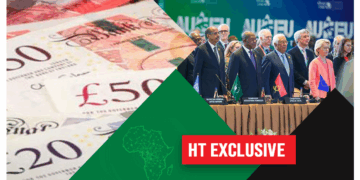
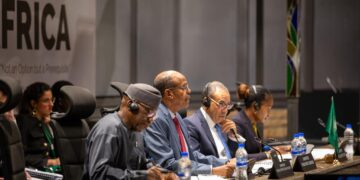
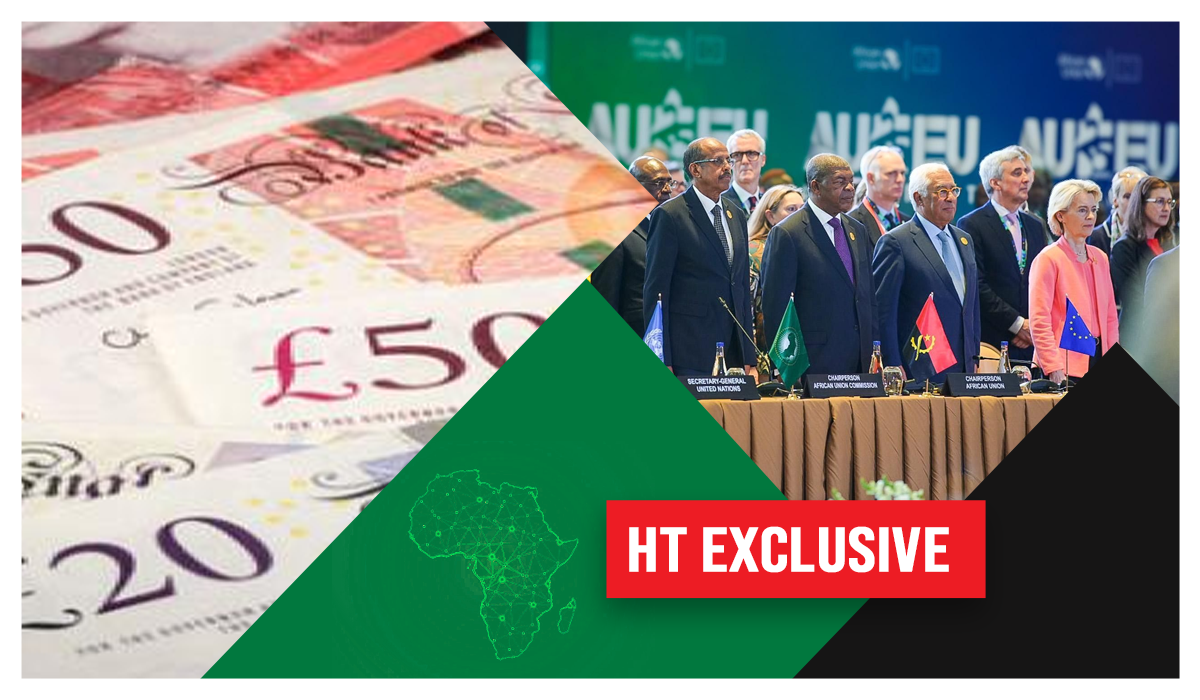
The recent summit of the African Union and European Union in Angola speaks to the importance of partnership and collaboration as key tools to advance development, bring to fore issues of common interest and leverage on each others’ areas of comparative strength to proffer solutions that improve livelihood in our communities. The November 24—25 meeting in Luanda under the Co-Chairmanship of João Manuel Gonçalves Lourenço, President of Angola and Chairperson of the African Union, and António Costa, President of the European Council marked the 25th anniversary of the AU-EU partnership since the inaugural Summit took place in 2000, in Cairo.
For two decades and half, both continental bodies have steadily enjoyed a unique and strategic partnership that has deepened in scope, ambition, and political significance, which clearly reflects on the remarkably strong institutional, trade and investment, as well as people-to-people ties between the two continents. This synergy stands as a direct contribution to AU’s Agenda 2063 and its successive Implementation Plans and the EU’s strategic priorities, making both parties bearers of value in this relationship.
The EU has consistently shown signs that the partnership with Africa is of strategic importance to it, positioning itself as a leading trading partner to the 54-nation bloc, largest investor, and main partner in peace and security, digital transformation, supporting regional stability and inclusive growth. With an overall trade volume of about USD 367 billion in 2024, according to the International Monetary Fund (IMF), the trade partnership between the two continents have continued to soar. This is essential for Africa in order to generate crucial revenue flows to finance developmental projects for its growing population and support sustainable debt management.
Boost for Clean Energy and Climate Action
The campaign for clean energy transition, expanded access to electricity, and promotion of sustainable economic growth and decarbonised industrialisation across Africa has remained at the front burner. At the Angola Summit, it however received a significant boost with the EU leaders’ pledge to commit €15.5 billion to support a clean energy future across Africa, alongside other commitments aimed at expanding renewable energy generation and improving household access to electricity.
The sum of €10 billion came from a pledge made by European Commission President von der Leyen, on behalf of Team Europe, as well as significant additional bilateral contributions by European financial institutions, Member States, their Development Finance Institutions and estimated private investment. Some of the member countries who made additional pledges include, Italy, Germany, Netherlands, France, Denmark, Portugal, Sweden, Austria and others.
With an estimated 600 million people still lack access to electricity in Africa, this fund will further bridge the gap as more underserved communities across Africa will be reached. Provision of affordable and sustainable energy is essential in Africa, the continent’s development and global climate goals, especially with the prediction that the continent’s population could double by 2050. Gratifyingly, experts say Africa holds 60% of the world’s best solar resources, offering a significant opportunity for renewable energy.
Enhanced Trade Cooperation
A ten-page joint declaration between the two blocs for the next decade also explicitly highlighted the need to foster a closer ties in the area of trade, commerce and infrastructure connectivity. The President of the European Council, António Costa stressed that in a more fragmented global landscape, “Africa and Europe stand stronger together.” This was further re-echoed by the European Commission President, von der Leyen who underlined that amid geopolitical competition and politicised global trade, “Africa and Europe need each other more than ever. We want to be partners of choice.”
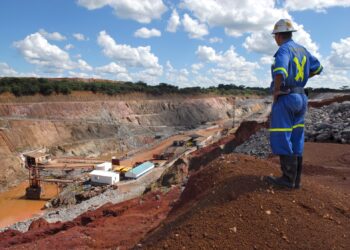
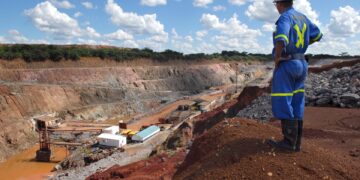
Both sides committed to deeper cooperation to create jobs, respond to youth aspirations, diversify economies, and reduce unsustainable dependencies while ensuring access to capital, technology and resources. Africa and Europe reaffirmed their belief in open, rules-based trade, giving rise to key announcements, which include support for the African Continental Free Trade Area (AfCFTA), progress on major connectivity projects such as the Lobito Corridor, a railway project funded in partnership with the United States to connect mineral-rich areas of the Democratic Republic of Congo and Zambia to the Atlantic coast. The corridor recently enabled the first-ever export of Angolan avocados to Europe and a renewed push to strengthen regional value chains, including in critical minerals.
Already Africa houses key minerals for industrial and energy potentials, making it a battleground for these high-value mineral deposits, with China, the United States and Russia also seeking to foster stronger ties. Heart-warmingly, African nations clamouring for investments that generate local value and not just resource extraction secured a pledge from Europe to support them to “develop, industrialise, diversify exports, and integrate into regional markets”.
With AU and EU hit by President Donald Trump’s trade tariffs and Europe seeking to reduce its dependency on China for rare earths, this commitment to strengthen trade ties, diversify and secure global supply chains with particular reference to “strategic and critical minerals” is built on mutual benefit.
Strengthening Peace, Security and Governance
Leaders at the Summit underscored unwavering support for an international order anchored on the UN Charter, including sovereignty and territorial integrity. The two blocs also expressed “deep concern about the situation in Sudan”, condemning the atrocities committed in El-Fashir and defending African mediation. On the same point, they commit to strengthening cooperation in the fight against terrorism, organised crime and cybersecurity.
Additionally, they called for immediate de-escalation in the DRC and reaffirmed support for a just and lasting peace in Ukraine, the occupied Palestinian Territory, the Sahel, Somalia and elsewhere. “Sustainable peace and good governance are essential for the security and prosperity of both continents. The European Union is Africa’s main security partner, and this is also an investment in our own security”, President Costa stated.
Both sides stressed the importance of predictable UN financing for AU-led peace support operations and pledged closer cooperation against terrorism, organised crime, hybrid threats and disinformation. Africa can benefit a lot from Europe through training and technical assistance to build capacity in areas such as border control, criminal investigation, and prosecution as the continent aims to mitigate the activities of jihadists and terrorists.
Europe can also support the efforts being made by Africa to combat money laundering and the financing of terrorism, by implementing Financial Action Task Force (FATF) recommendations, which among other things provide framework for countries to implement measures such as risk assessment, preventive measures for financial institutions, and international cooperation to address threats of terror.
Africa has long yearned for good and responsible governance which analysts believe could tackle most challenges facing the continent. EU can encourage the development of policies to tackle corruption, lack of transparency, electoral fraud, poor access to social justice and lack of respect for human rights. These have indirectly fuelled unrests that sometimes blossom into total breakdown of law and order.
Lingering Concerns and Criticisms
Despite the many positives, critics argue that the joint declaration represents significant compromise, especially from the AU side. They contend that the final document inadequately reflects Africa’s priorities and negotiating positions across key agenda items.
One major concern is the high risk perception associated with investing in Africa, which contributes to high borrowing costs and excruciating debt burdens. Analysts insist that increasing concessional finance, particularly through development banks is crucial for unlocking affordable climate and development funding.
Additionally, some EU policies, including the Carbon Border Adjustment Mechanism (CBAM), Deforestation Regulation and Methane Regulations are seen to disproportionately disadvantage Africa. These policies could penalise African countries that primarily export raw materials with limited local value addition.