














By Enyichukwu Enemanna
Malawi’s energy regulatory agency has raised petrol and diesel prices by more than 40%, amidst concern by analysts that this could lead to an increase in cost-of-living in the Southern African country.
This marked the second time fuel costs have gone up in the country in the last four months.
The Malawi Energy Regulatory Authority (MERA) had in a statement on Tuesday said the fixed pricing system of the previous administration was “unsustainable” and had led to “significant” losses.
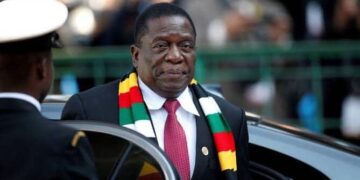
President Peter Mutharika, who returned to power last year, has made efforts to revive the nation’s ailing economy.
Commentators have however faulted the Tuesday’s move, saying it could harm the new leadership’s efforts and worsen the cost-of-living crisis for many Malawians.
“Fuel is not a luxury commodity. Any increase has a cascading effect on the cost of living,” the Human Rights Defenders Coalition, a Malawian civil society group, said.
The energy regulator said it was increasing diesel prices by 41.3% and petrol prices by 41.9%.
The latest hike implies that since Mutharika came to power in October, the cost of petrol and diesel has gone up by 95% and 80% respectively.
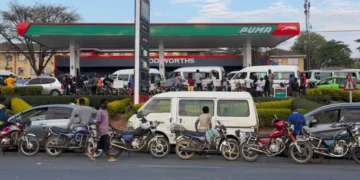
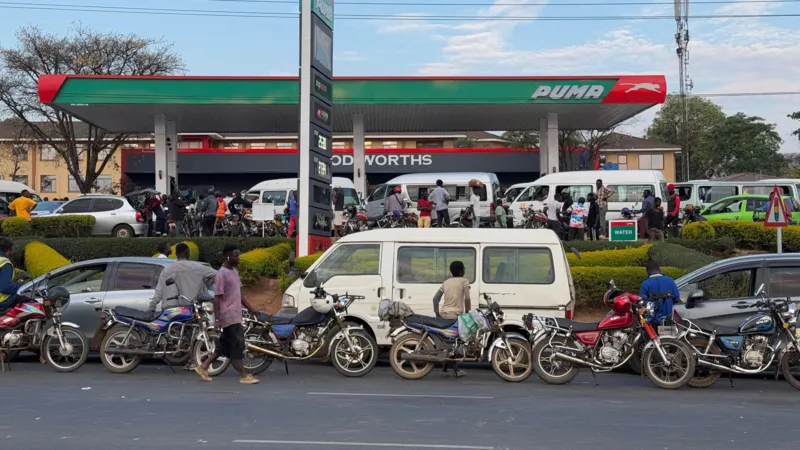
Under previous President Lazarus Chakwera fuel shortages were a major source of public frustration, with motorists forming long, winding queues at depleted petrol stations. However, the supply has improved significantly over the past two months.
MERA said it is now operating under an “automatic pricing mechanism”, where petrol and diesel prices change in line with the expenses involved in shipping the fuel.
In the wake of the announcement, sharp increases in transport fares have already been reported in most parts of the country. Prices of other key services and goods, such as food, are also expected to rise.
Commodity prices had already started to go up following the previous fuel hike, which was implemented in October, and this month’s increase in the sales tax.
MERA’s acting CEO Dad Chinthambi said the hike in fuel prices was necessary “to ensure sustainable fuel supply, electricity services, and the proper remittance of levies to support road maintenance and rural electrification projects”.