




















By Ebi Kesiena
The escalating conflict in the Middle East is severely disrupting the flow of life-saving humanitarian assistance, leaving nearly half a million vulnerable children cut off from critical support, according to Save the Children.
The organisation warned that the intensifying war has obstructed key global transport routes, by air, sea, and land, causing major delays in aid delivery while pushing shipping costs up by as much as 50 percent.
Since military operations involving the United States and Israel against Iran began on February 28, rising hostilities have disrupted major trade corridors, particularly the Strait of Hormuz, a critical artery for global shipping.
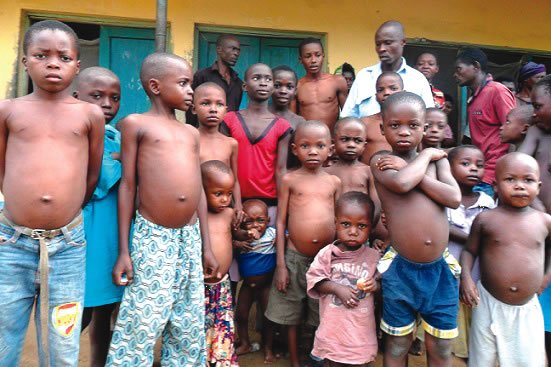
The fallout has been immediate and far-reaching. Aid supplies meant for at least 410,000 children and their families across Sudan, Afghanistan, and Yemen have either been delayed or stranded.
In Sudan, a consignment of essential medical supplies remains stuck in Dubai due to restricted access through the Strait of Hormuz. The delay threatens more than 90 primary healthcare facilities, which risk running out of vital medicines, including antibiotics, antimalarials, deworming drugs, and treatments for pain and fever.
To bypass the disruption, the organisation is exploring alternative logistics routes, including transporting supplies by road through Saudi Arabia to Jeddah before shipping them onward to Port Sudan, a move expected to significantly increase operational costs.
The situation is equally dire in Afghanistan, where nutrition supplies intended for 5,000 children and 1,400 pregnant or breastfeeding women have been affected. Initially scheduled for delivery via Iran, the supplies may now require airlifting at a cost exceeding $240,000, more than the total value of the aid itself.
In Yemen, medicines meant for about 5,000 children are also stranded in Dubai, with proposed alternative land transport routes likely to double logistics expenses.
Save the Children described the crisis as having “grave ripple effects” extending far beyond the immediate conflict zone. The organisation called on all parties involved to guarantee safe and unhindered passage for humanitarian aid, stressing that delays in delivering essential supplies could worsen already fragile conditions in crisis-affected regions.
It further warned that without urgent intervention to restore access routes, the disruption could deepen humanitarian emergencies globally, putting millions of lives, especially children, at even greater risk.