





















By Ebi Kesiena
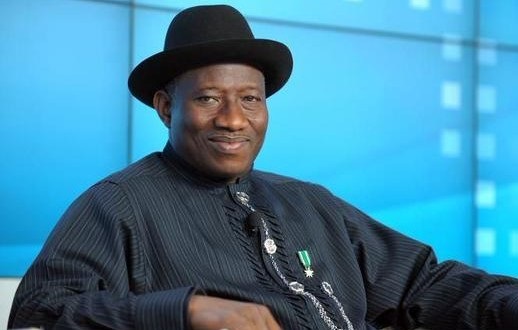
Former President Goodluck Jonathan has called for a generational shift in governance across Africa, arguing that leaders between the ages of 25 and 50 are better equipped to meet the physical and mental demands of modern public office.
Jonathan made the appeal on Thursday in Abuja while delivering remarks at the International Memorial Lecture and Leadership Conference marking the 50th anniversary of the assassination of former Head of State, General Murtala Muhammed.
Speaking on the rigours of leadership, Jonathan said governing a nation requires exceptional stamina and resilience, recalling the intense pressures he faced while in office.
“Why do we begin to think that you must be a hundred years old before you can rule your country?” he asked, stressing that younger leaders are more capable of enduring the stress associated with high office.
“If they need to stay awake for 24 hours, they can. When I was in office, some days I did not sleep up to two hours. If you subject an older person to that kind of stress, the person will spend 50 per cent of the time in hospital,” he said.
Jonathan urged African countries to deliberately create pathways for younger citizens to assume positions of authority, describing vibrancy, physical strength and mental alertness as critical attributes for effective governance. He aligned his position with Nigeria’s Not Too Young To Run campaign, which advocates lowering constitutional age limits for elective offices.
Reflecting on history, Jonathan cited Murtala Muhammed, who became Head of State at 38 and, despite ruling for only 200 days, left what he described as a profound legacy driven by a clear national vision. He also referenced former Head of State Yakubu Gowon, who assumed office at 32, led Nigeria through the civil war and later established the National Youth Service Corps.
“So why do we now think leadership must only come at old age?” he queried.
Beyond age, Jonathan criticised what he termed excessive foreign travel by some public office holders, warning that absentee leadership weakens governance and security. He contrasted the practice with the United States, where some governors rarely leave their states while in office.
He emphasised that discipline and accountability must underpin leadership, regardless of age, and cautioned against romanticising military-era decisiveness. According to him, democratic governance differs fundamentally from military rule and must be anchored on strong institutions rather than powerful individuals.
“Democracy requires vision rather than decree. It requires persuasion instead of command. It depends on institutions, not individuals,”
Meanwhile, Jonathan urged both leaders and aspiring politicians to view governance as service and stewardship, not entitlement, noting that leadership is measured not by tenure but by impact and the courage to act in the national interest.