


















By Ebi Kesiena
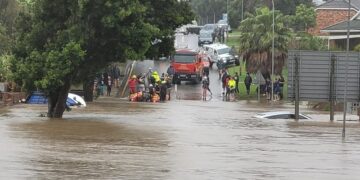
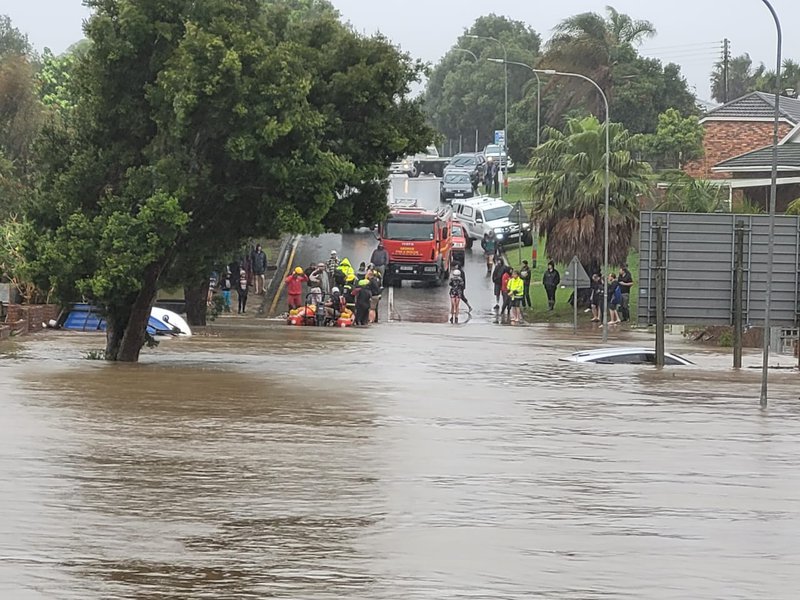
The Nigerian Government has expressed deep sympathy and solidarity with the governments and people of South Africa, Mozambique, and Zimbabwe following the devastating floods that have led to significant loss of life and widespread displacement across parts of Southern Africa.
In a statement issued by the Ministry of Foreign Affairs, signed by Kimiebi Ebienfa, Spokesperson, Ministry of Foreign Affairs, Abuja, Nigeria conveyed its heartfelt condolences over the tragic deaths of more than 100 people and the displacement of thousands after weeks of torrential rainfall triggered severe flooding in the affected countries.
The government described the incident as a painful humanitarian tragedy that has caused extensive human suffering and material damage.
Nigeria noted that the floods have overwhelmed major rivers, destroyed roads and bridges, disrupted agricultural activities, and severely affected essential services. It also expressed concern over the secondary humanitarian challenges arising from the disaster, including food insecurity, the risk of disease outbreaks, and increased vulnerability of women, children, and other at-risk groups.
The Federal Government further expressed solidarity with the ongoing rescue, evacuation, and relief operations being carried out by national authorities, regional bodies, and international humanitarian partners. It commended the resilience and determination shown by the affected countries as they respond to the disaster and begin recovery and rebuilding efforts.
Highlighting the broader implications, Nigeria stated that there is a growing threat of climate-induced extreme weather events across the African continent. It emphasized the need for stronger regional cooperation, improved early-warning systems, effective climate adaptation strategies, and sustained international support to mitigate the humanitarian and developmental impacts of such disasters.
Nigeria therefore reaffirmed its commitment to continued cooperation at bilateral, regional, and multilateral levels to promote disaster preparedness, humanitarian response, and climate resilience.