


















By Ebi Kesiena
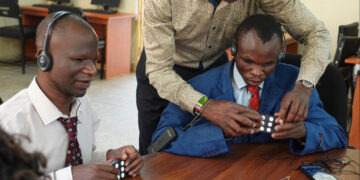
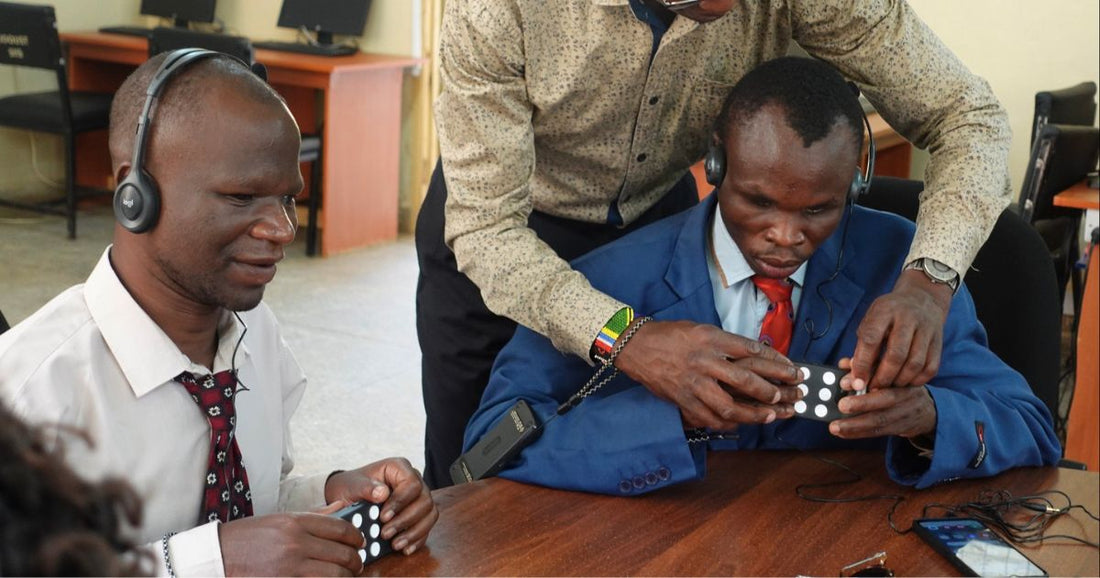
The Lionheart Ability Leaders International Foundation has raised alarm over the extreme marginalization of deafblind persons in Nigeria, revealing that only four out of the 96 individuals documented nationwide are currently employed, while a mere ten have access to any form of education.
Globally, deafblind persons are considered one of the most marginalized disability groups due to the compounded barriers they face in education, employment, communication, healthcare, and social integration.
The revelation came during a courtesy visit to the National Commission for Persons with Disabilities, NCPWD in Abuja, where the foundation pushed for formal recognition and inclusion of the deafblind community within Nigeria’s broader disability framework.
Speaking during the visit, the delegation lead, Mr. Okelola Solomon, disclosed that the majority of deafblind persons identified by the foundation have been denied educational opportunities and are often kept indoors by relatives due to stigma, shame, and widespread misconceptions about dual sensory impairment. He further noted that the absence of communication skills and support structures leaves many vulnerable, including two members recently lost to illnesses that went unnoticed by their families.
Solomon outlined the most urgent areas requiring government intervention, to include rehabilitating and unifying deafblind persons across the country, securing their official recognition and representation within the disability community, expanding their access to education, and improving the accessibility of public spaces and services.
He also called for amendments to the Discrimination Against Persons with Disabilities (Prohibition) Act to explicitly recognize deafblindness as a distinct disability category.
Responding, the Executive Secretary of NCPWD commended the foundation’s sustained efforts, acknowledging that the deafblind population remains one of the most overlooked disability clusters in Nigeria.
He reaffirmed the commission’s commitment to inclusive policies, emphasizing that “the number one goal of the commission is to include all disability clusters, ensuring that no one is left behind.”
He also highlighted ongoing work to develop a comprehensive national disability database, which he said will support improved access to assistive technologies, targeted interventions, and tailored welfare programs for all persons with disabilities. According to him, such a database is essential for closing existing gaps and ensuring that minority disability groups, including the deafblind community, receive adequate support.
The Executive Secretary further praised the resilience of the deafblind population, reiterating the commission’s belief that “there is ability in disability.”