




By Enyichukwu Enemanna
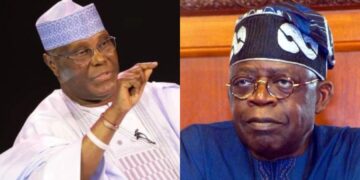
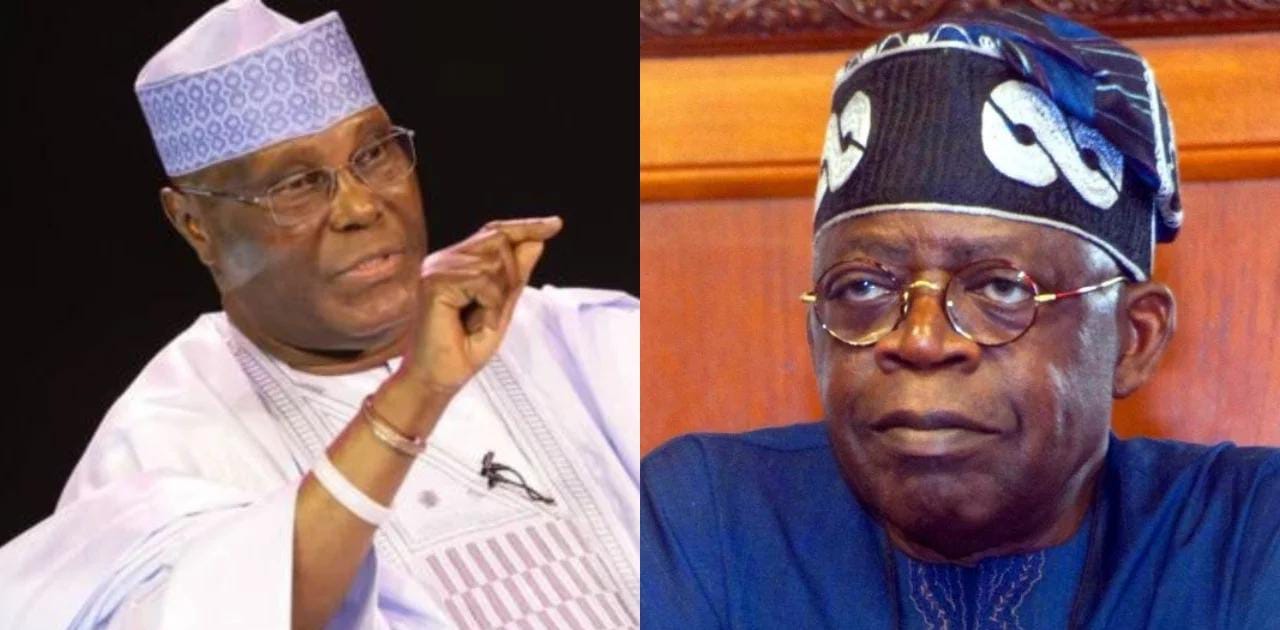
Nigeria’s leading opposition figure has accused President Bola Tinubu of presiding over “fiscal recklessness” in the West African nation over the figure reported to have been expended in securing pipelines in the last one year.
Atiku Abubakar, the presidential candidate of the opposition People’s Democratic Party (PDP) in the 2023 election, said the N17.5 trillion ($12.09 billion) to secure pipeline facilities in the oil-rich rich nation rated one of the poorest in the world is scandalous, challenging the government to publish names of organisations who benefitted from the contracts.
The former Vice President argued that the amount would have been enough to pay for subsidy on fuel for a dozen years. Tinubu had on May 29, 2023 announced the removal of subsidy on petrol, claiming that the nation can no longer afford it.
”For clarity, Nigeria spent roughly ₦18 trillion on fuel subsidy over a period of twelve years — a national programme that directly cushioned millions of Nigerians, stabilised the transport sector, and helped keep food prices manageable.
”Yet, under President Bola Ahmed Tinubu, the country has now expended nearly the same amount in a single year on same subsidy and opaque pipeline security contracts awarded to private firms tied to associates and cronies of the President. Indeed, the action of the President is akin to robbing Peter (Nigerians) to pay Paul (cronies),” Atiku said in a statement by his media office.
Analysts have faulted the staggering figure, demanding a forensic audit of the N17.5tn spending, and expressed concern over the pipeline protection and energy-security costs. They cited persistent leakages, low crude production, and systemic opacity in the national oil company, NNPCL.
According to NNPCL’s 2024 consolidated financial statements, out of the total amount, N7.13tn was spent as energy-security costs to keep petrol prices stable whenever the gap between the exchange rate and the ex-coastal price of refined petrol widened.
Also, significant portion of the figure was channelled to pipeline surveillance, repairs, prevention of crude oil theft, and security operations aimed at ensuring an uninterrupted energy supply across the country.
While raising fundamental qualifications bordering on integrity and accountability, Atiku said the N17.5 trillion would have been invested in rebuilding the nation’s refineries, revitalise the health care sector and other social amenities as against rewarding cronies of the government with inflated contracts that do no impact the lives of average Nigerians.
“The same administration has now channelled ₦17.5 trillion — an amount that could transform Nigeria’s power sector, rebuild our refineries, or fund universal healthcare — into opaque security contracts whose beneficiaries are conveniently linked to those in power.
”In some places in the country, a litre of PMS goes for over N1,000 and the justification for this by the Tinubu administration is the wholesome removal of subsidy.
“Yet, according to the records provided by the NNPCL, this same administration has spent N7.13tn on what it calls, ‘energy-security cost to keep petrol prices stable’; another N8.67tn on what it calls ‘under-recovery’,” Atiku stated.
Atiku accused Tinubu of using fraudulent nomenclatures such as energy-cost and under-recovery contained in the details of the spending to deceive Nigerians on the government’s claim that it was no longer paying subsidies on petroleum products.
He further queried, ”Who are the companies paid under these contracts? What specifically justifies a 38.7 percent rise in the amount of energy-cost from N6.25tn in 2024 to N8.67tn in 2025?
”Why is pipeline security now more expensive than a decade-long subsidy that served over 200 million Nigerians? Where are the audit reports, parliamentary oversight findings, and cost-validation documents?”
He alleged that the claim by Tinubu that he has ended payment of subsidy on petroleum products is false, noting that the “scandal” in the name of pipeline security validates the claim.
“This scandal confirms what Nigerians already know: the Tinubu administration did not end subsidy — it merely redirected public wealth from the entire nation to a privileged cartel anchored around the Presidency.”