




By Emmanuel Nduka Obisue
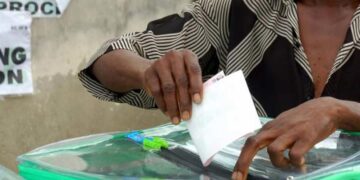
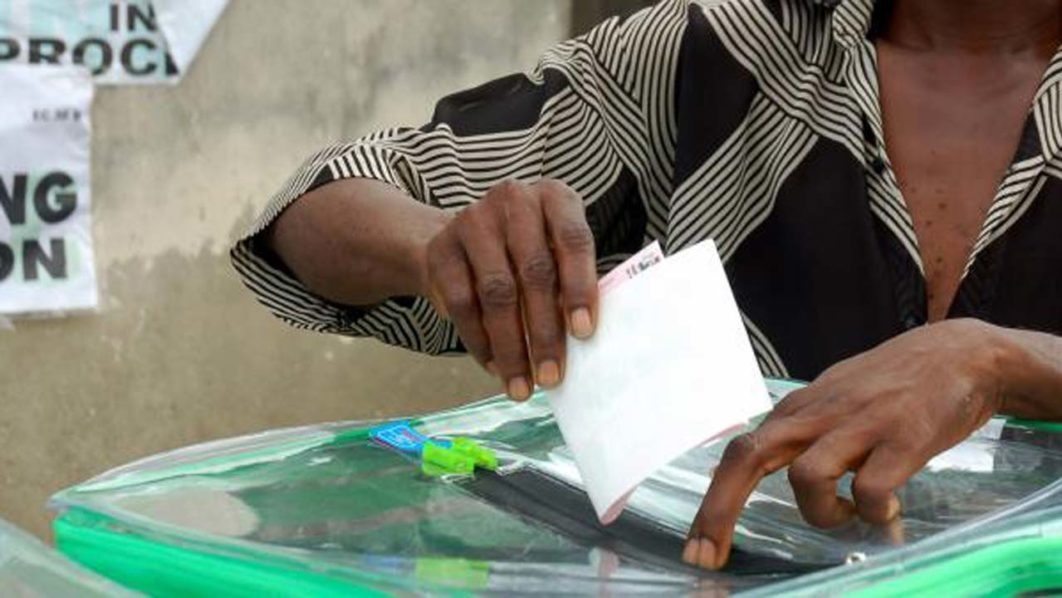
The Republic of Congo has scheduled its next presidential election for March 15, the government announced on Tuesday.
Government spokesperson Thierry Moungalla confirmed the date, noting that the Constitution requires presidential polls to be held no fewer than 30 days and no more than 40 days before the expiration of the incumbent’s term.
President Denis Sassou Nguesso, who is currently in office, was sworn in for his present mandate on April 16, 2021.
The country’s electoral authorities are yet to publish the official timetable for the submission of candidacies. However, the ruling Congolese Labour Party (PCT) has already endorsed President Sassou Nguesso as its flagbearer for the election.
Several figures are also being mentioned as potential contenders, including former rebel leader Frédéric Bintsamou, popularly known as Pastor Ntumi, as well as Dave Mafoula, who emerged as the youngest candidate in the previous presidential election.
President Sassou Nguesso first assumed power in 1979 and has remained a dominant figure in Congolese politics for decades. He lost the country’s first multiparty presidential election in 1992 to Pascal Lissouba, marking a rare peaceful transfer of power in Central Africa. That period ended in 1997 when Sassou Nguesso returned to office following a civil war that toppled Lissouba’s government.
In 2015, the president oversaw constitutional changes that removed term limits, allowing him to extend his stay in power beyond the previously mandated two terms.
The Congolese government has also faced international scrutiny in recent years. In France, a high-profile investigation known as the “ill-gotten gains” case led to the indictment in 2017 of several individuals close to President Sassou Nguesso on charges of laundering public funds. The probe also implicates members of ruling families in Gabon and Equatorial Guinea.
As the March 15 election approaches, attention is expected to focus on the final list of candidates and the conduct of the electoral process in a country where political power has largely remained unchanged for decades.