











By Ebi Kesiena
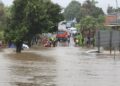
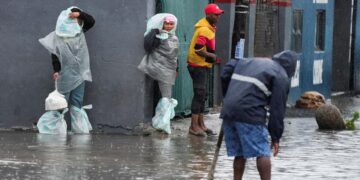
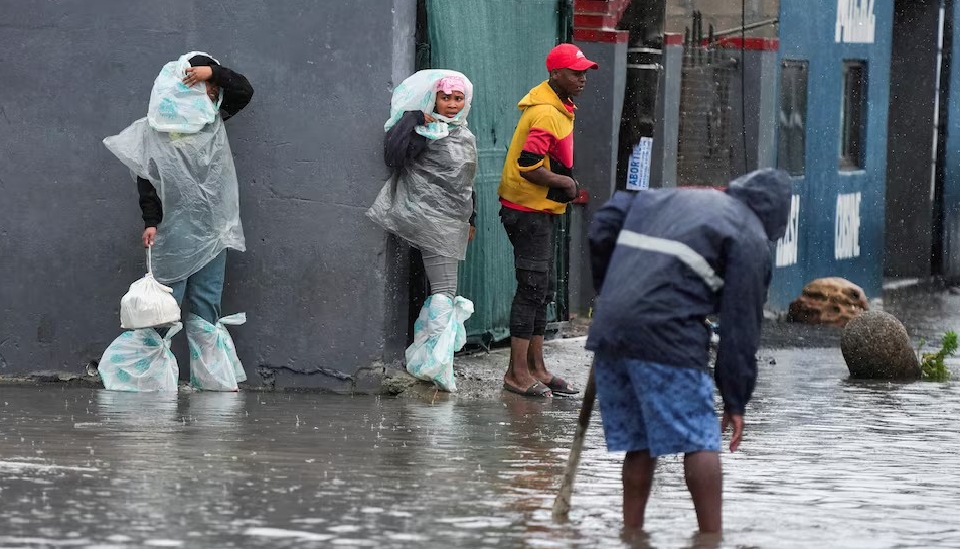
South Africa has declared a national disaster following weeks of relentless rainfall that triggered widespread flooding, destroyed homes, and claimed dozens of lives, while forcing thousands to flee into neighbouring Mozambique.
The declaration was made on Sunday as heavy rains and severe storms continued to batter parts of Southern Africa, with South Africa’s northeastern provinces of Limpopo and Mpumalanga among the worst hit. Authorities confirmed that more than 30 people have died in South Africa alone, as rivers burst their banks and inundated communities.
Announcing the decision, the head of South Africa’s National Disaster Management Centre, Elias Sithole, said the scale and impact of the flooding warranted a national disaster classification. Emergency services have continued search-and-rescue operations, while efforts are ongoing to recover bodies in affected areas.
The floods also forced the temporary closure of the Kruger National Park, where guests were evacuated last Thursday. However, as water levels began to recede in some locations, South African National Parks announced that day visits to the park would resume, while urging visitors to exercise caution.
In Mozambique, the situation remains dire, with entire neighbourhoods submerged and thousands displaced. Rescue teams have struggled to reach survivors trapped on rooftops and in trees. Official figures indicate that at least eight people have died since December 21, though authorities warn the toll is likely to rise as more people are reported missing.
One of the most harrowing accounts came from Gaza province, north of Maputo, where a woman reportedly gave birth on a rooftop while awaiting rescue after days of flooding.
South Africa has also deployed rescue teams to southern Mozambique following an incident in which a vehicle carrying members of a South African mayoral delegation was swept away by floodwaters in Chokwe.
According to the Mozambican government, more than 173,000 people nationwide have been affected by the floods, Stressing the growing humanitarian crisis in the region.