





















By Ebi Kesiena
South Africa has launched its first locally produced foot-and-mouth disease vaccine in two decades, as authorities move to strengthen domestic vaccine production and contain the country’s most severe outbreak of the disease in many years.
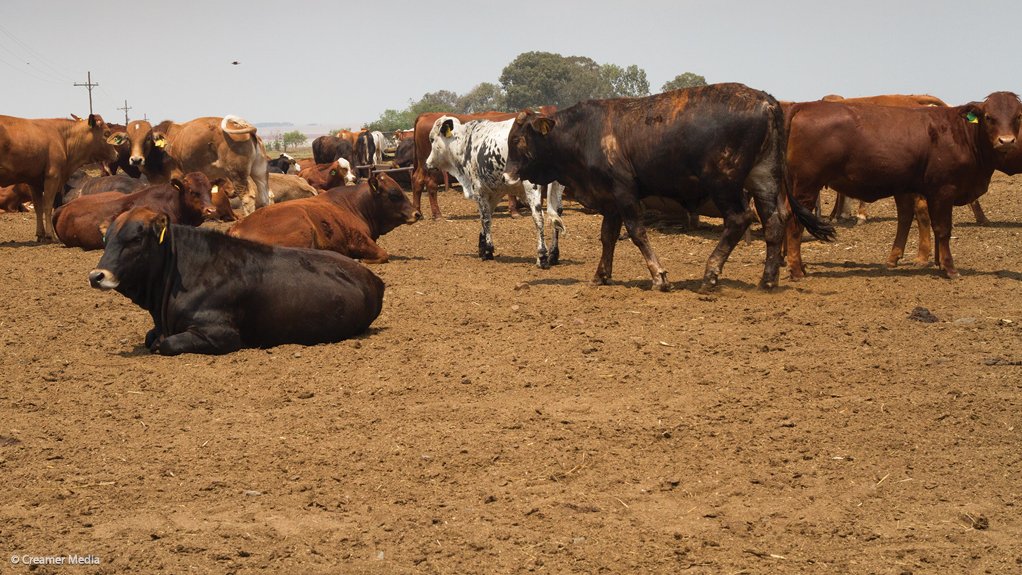
The highly contagious viral disease primarily affects cattle, causing painful blisters in the mouth and on the hooves. While foot-and-mouth disease is rarely fatal, particularly in adult cattle, it significantly reduces livestock productivity and poses serious economic risks to the agricultural sector.
Developed by the government’s Agricultural Research Council (ARC), the vaccine forms a key part of South Africa’s plan to inoculate 80 per cent of its national cattle herd, estimated at about 12 million animals, including 7.2 million on commercial farms.
According to the Ministry of Agriculture, the ARC is expected to begin supplying 20,000 vaccine doses per week from March 2026, with production set to increase to 200,000 doses per week by 2027.
Currently, South Africa relies heavily on imported foot-and-mouth vaccines from countries such as Botswana, Argentina, and Turkey, due to limited capacity at underfunded state-owned manufacturing facilities.
Agriculture Minister John Steenhuisen said the local vaccine would mark a turning point in the country’s response to the disease. “When we are able to manufacture at scale and at full production, this vaccine will ensure South Africa’s vaccine sovereignty in dealing with foot-and-mouth disease,” he said at a media briefing.
Meanwhile, the government’s handling of the outbreak has, however, drawn criticism from livestock farmers, who say the slow response has resulted in significant losses. Two farmer organisations, the Southern African Agri Initiative and Free State Agriculture, have threatened legal action, describing the government’s response as fragmented, sluggish, and ill-equipped to match the scale and pace of the outbreak.