













By Ebi Kesiena
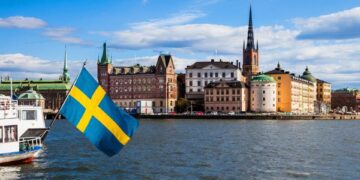
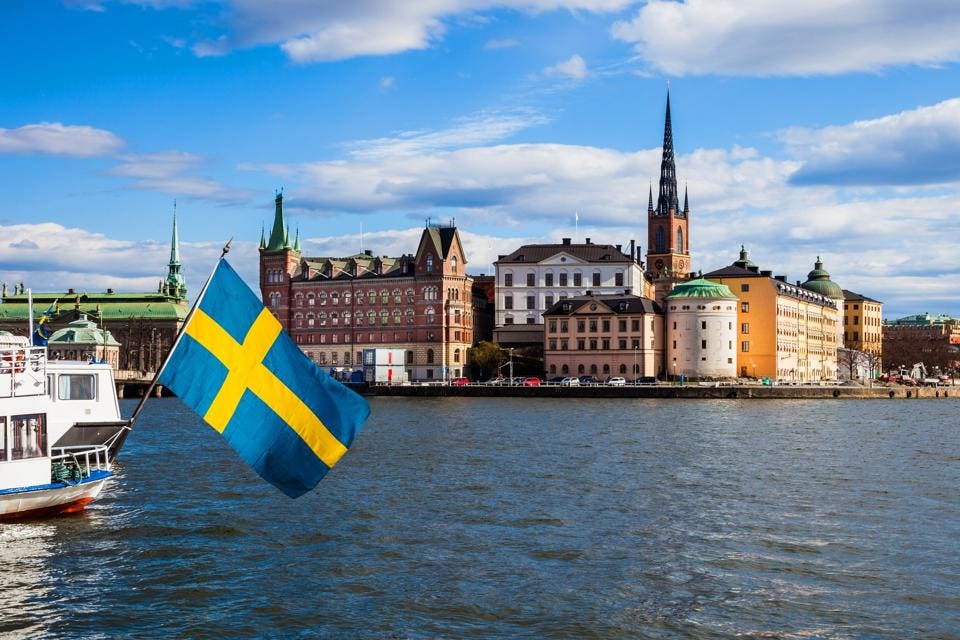
Sweden has announced that it will gradually end its bilateral development cooperation with five countries, Zimbabwe, Mozambique, Tanzania, Liberia, and Bolivia, as part of a major overhaul of its global aid strategy.
According to the Swedish govt, the decision, which also includes the closure of Sweden’s embassy in Harare, reveals Stockholm’s growing focus on European security amid rising geopolitical tensions.
In a statement, the Swedish government said the move aligns with its broader foreign policy and defence priorities, especially as Europe adapts to new security realities following Russia’s invasion of Ukraine.
“The decision responds to Sweden’s wider foreign policy priorities, including emerging security and defence challenges in our neighbourhood. It is also connected to the implementation of the Swedish Government’s Reform Agenda for development cooperation, which aims to sharpen the focus of Sweden’s development cooperation and reduce the number of bilateral development cooperation strategies.” the statement from the Embassy of Sweden in Harare noted
Sweden, which recently ended its decades-long neutrality to join NATO alongside Finland, is restructuring its international engagements to channel more resources toward defence, crisis preparedness, and partnerships within Europe.
The Swedish Embassy in Zimbabwe confirmed that the phase-out has no direct link to any political or economic developments in Zimbabwe, but rather Sweden’s internal policy reorientation. The embassy, which opened in 1980 shortly after Zimbabwe gained independence, has been a key development partner for decades, supporting initiatives in governance, democracy, climate resilience, and mining.
Because the embassy’s primary mandate has been tied to development cooperation, its closure will follow the conclusion of existing bilateral programmes. Despite this, Sweden stressed that diplomatic relations will continue through other channels, including trade and investment cooperation, as well as partnerships via the European Union and United Nations agencies.
Meanwhile, in Mozambique Sweden will also discontinue bilateral development funding, though its embassy in Maputo will remain operational. Ambassador Andrés Jato described the long-standing relationship as “positive and long lasting,” highlighting that Sweden has contributed nearly US$2 billion to Mozambique since 1975.
Sweden is currently the fifth-largest humanitarian donor to Mozambique, supporting sectors such as energy, climate transition, higher education, peacebuilding, and sexual and reproductive health. Humanitarian assistance will continue despite the broader aid shift.
Part of a Wider Regional Drawdown
The latest announcement comes amid earlier reductions in Swedish aid to Mali and Burkina Faso, where military juntas aligned with Russia have taken power in recent years.
Sweden’s new stance underscores its intention to reduce the number of countries receiving long-term bilateral development assistance and reallocate resources toward emerging defence challenges, crisis response, and security partnerships within Europe.