





By Enyichukwu Enemanna
Dar es Salaam, the capital of Tanzania witnessed a heavy presence of combined team of security agents, including the police and army on Tuesday deployed to prevent protests against what activists say is violent suppression of citizens’ resentment against the country’s October 29 presidential poll.
Eyewitnesses said the streets of Dar es Salaam were largely deserted following warnings by the government that any protests on Tuesday, a day which marks the country’s independence from Britain, would amount to a coup attempt.
The East African country’s October presidential and parliamentary elections in October sparked what analysts say is the worst political violence in Tanzania’s post-independence history.
The U.N, US and opposition say hundreds were killed in the post-election violence.
Security officers in Dar es Salaam were carrying out ID checks on anyone seeking to move around the city and shops in the Central Business District were closed.
Police spokesperson David Misime said the security situation across the country was calm and that images on social media purporting to show demonstrations on Tuesday were from earlier protests.
“We continue urging Tanzanians to disregard such images because they are intended to trick them into thinking there are protests happening,” he said in a statement.
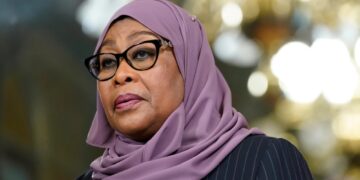
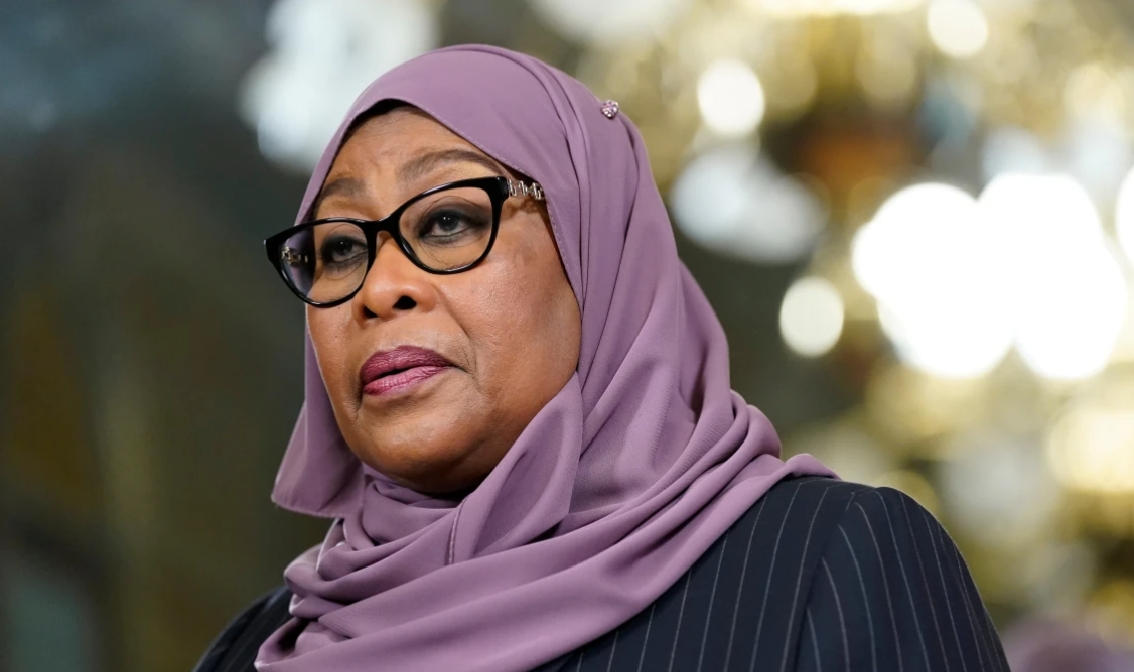
President Samia Suluhu Hassan was declared winner of the election after securing nearly 98% of the vote. Leading opposition candidates were either disqualified from running on in detention.
She set up a commission of inquiry last month to investigate election-related violence but has repeatedly denied that security forces acted improperly.
U.N. human rights experts said last week that at least 700 people were estimated to have been extrajudicially killed in the violence.
The government has acknowledged that people died but has not provided its own death toll.
The United States said last week it was reviewing its relationship with Tanzania over concerns about violence against civilians as well as religious freedom, free speech and barriers to investment.