









By Emmanuel Nduka Obisue
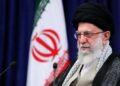
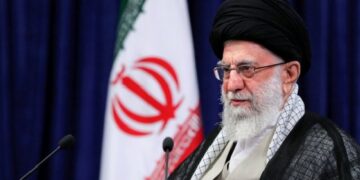
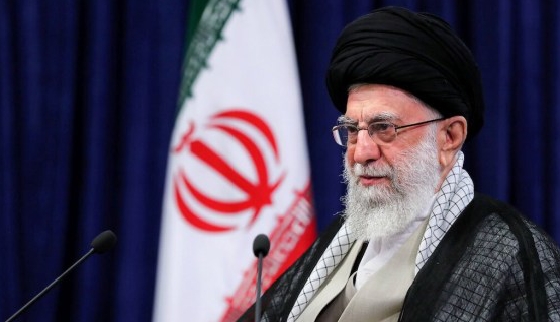
US President Donald Trump on Saturday confirmed the death of Iran’s Supreme Leader, Ayatollah Ali Khamenei, following coordinated airstrikes by American and Israeli forces that also reportedly eliminated seven senior figures in Iran’s defence leadership.
In a post on Truth Social, Trump declared, “Khamenei, one of the most evil people in history, is dead”. He described the killing as “justice for the people of Iran” and for victims around the world allegedly affected by the Iranian leader’s actions.
The US president added that Khamenei “was unable to avoid our intelligence and highly sophisticated tracking systems,” noting that Washington worked closely with Israel in the operation. He further stated that bombing would continue “throughout the week or as long as necessary” to achieve what he called peace in the Middle East.
Earlier, Israeli Prime Minister Benjamin Netanyahu had said there were strong indications that Khamenei had been killed in strikes targeting his residence.
In a separate statement, the Israeli Defense Forces (IDF) announced that its fighter jets carried out precise attacks across Iran, eliminating seven top officials of the Iranian defence establishment.
Those named include Ali Shamkhani, a top adviser to Khamenei; Mohammad Pakpour, identified as Commander-in-Chief of the Islamic Revolutionary Guard Corps (IRGC); Saleh Asadi, described as chief of intelligence in Iran’s military emergency headquarters; Mohammad Shirazi, head of Mr Khamenei’s military bureau since 1989; and Defence Minister Aziz Nasirzadeh. Also listed were Hossein Jabal-Amelian and Reza Mozaffari-Nia, both linked to the SPND, Iran’s Organisation of Defensive Innovation and Research.
“The world is a better place without them,” the IDF said.
The strikes mark a dramatic escalation in tensions in the region, with global attention now focused on Tehran’s next move and the broader implications for Middle East stability.