




By Emmanuel Nduka Obisue
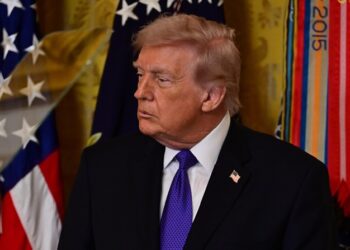
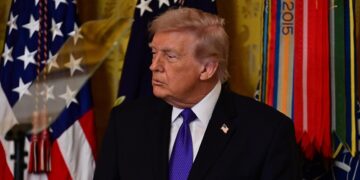
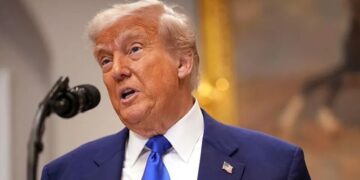
The administration of President Donald Trump has formally withdrawn the United States from the World Health Organization (WHO), bringing to an end the country’s membership of the global health body.
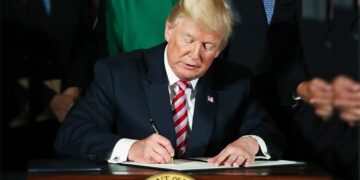
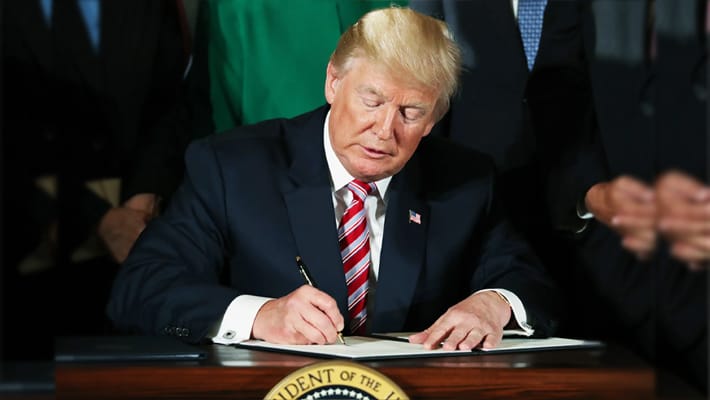
The withdrawal became effective on Thursday, exactly one year after President Trump signed an executive order directing the U.S. exit from the Geneva-based United Nations agency.
“Effective today: The United States has exited the World Health Organization,” the White House announced in a Facebook post on Thursday. “This fulfills President Trump’s commitment under an executive order signed one year ago, following the WHO’s mishandling of COVID-19 and its ongoing lack of reform, accountability, and transparency,” it added.
Under the terms of the agreement between the United States and the WHO, Washington was required to give a one-year notice before its withdrawal could take effect. That notice period elapsed on Thursday, making the exit official.
President Trump had ordered the withdrawal shortly after returning to office, citing what his administration described as the WHO’s failure to adequately manage the COVID-19 pandemic, its resistance to institutional reforms, and what it called undue political influence by certain member states.
While the agreement stipulates that withdrawing countries must settle outstanding financial obligations, the U.S. did not fully pay its assessed contributions prior to exiting. However, the WHO lacks enforcement mechanisms to compel payment or block a member’s withdrawal.
Reacting to the development, WHO Director-General Tedros Adhanom Ghebreyesus expressed regret over the decision, urging Washington to reconsider. “I hope that the United States will reconsider its decision and rejoin WHO,” Tedros said in Geneva.
In the executive order authorising the withdrawal, President Trump accused the WHO of mishandling the COVID-19 outbreak, which he said originated in Wuhan, China, and of failing to demonstrate independence from political pressure by member states.
The order also criticised the organisation’s funding structure, describing U.S. financial contributions as disproportionately high compared to those of China. “China, with a population of 1.4 billion—more than three times that of the United States—contributes nearly 90 percent less to the WHO,” the order stated.
As part of the withdrawal process, the administration directed the suspension of all future U.S. funding to the WHO, the recall and reassignment of American personnel working with the agency, and the identification of alternative international and domestic partners to take over activities previously handled by the organisation.
The order further instructed the State Department to halt U.S. participation in negotiations related to the WHO Pandemic Agreement and proposed amendments to the International Health Regulations, declaring that any such actions would have no binding effect on the United States.