

















By Enyichukwu Enemanna
Tunisia has experienced what authorities said is the country’s heaviest rainfall in more than 70 years, leading to four deaths amid closure of schools and businesses in parts of the North African country.
All four deaths took place in Moknine in the Monastir governorate of the country, where “two people were swept away by floodwaters, while a woman drowned in her home,” a civil defence spokesman Khalil Mechri said.
The head of forecasting at the National Institute of Meteorology (INM), Abderazak Rahal told reporters that Tunisian regions had not seen so much rain since 1950.
“We have recorded exceptional amounts of rainfall for the month of January,” Rahal said, with the regions of Monastir, Nabeul and greater Tunis the most affected.
In neighbouring Algeria, several regions have also been hit by massive downpours and floods.
Algerian civil defence authorities said they had recovered the body of a man in his sixties who died in flooding in the northwestern province of Relizane.
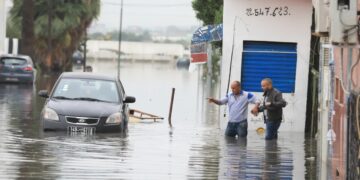
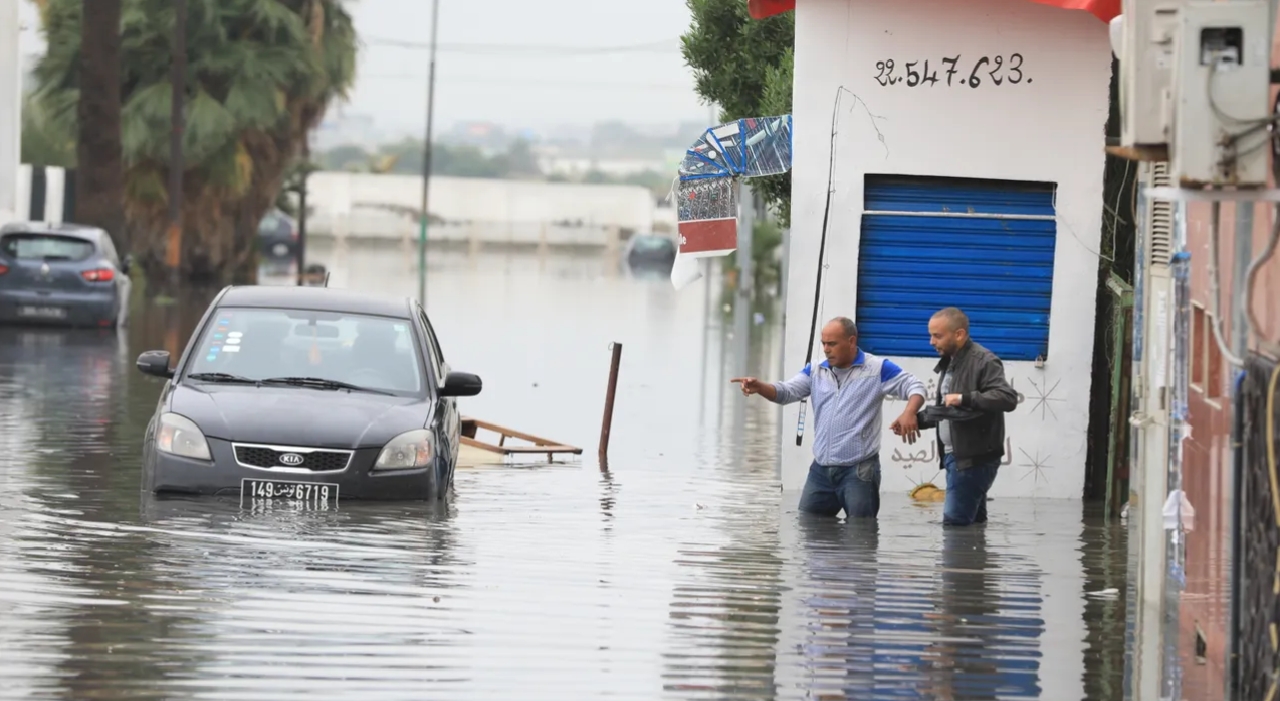
Striking images of cars stranded as torrents of water rushed through streets have circulated on the social media.
“It hasn’t stopped raining since last night,” Tunis resident Mostafa Riyahi told AFP on Tuesday. “At first, I didn’t pay attention to it, there were only a few small leaks. But when I got out of bed, I found my feet in water.”
Authorities suspended classes on Wednesday in public and private schools and universities in 15 of the country’s 24 governorates because of the weather. Transportation was also disrupted in several areas.
The Tunisian army was taking part in rescue operations, a defence ministry source said on condition of anonymity.
Another official of the National Institute of Meteorology, Mahrez Ghannouchi said in a Facebook post the situation was “critical” in some regions.
As of Tuesday, the tourist village of Sidi Bou Said, on the outskirts of Tunis, has recorded 206 millimetres of rain since Monday evening, INM said.
The country has seen severe water stress, particularly affecting agriculture and drinking water supplies, with cuts imposed in several regions during the summer.