













By Emmanuel Nduka Obisue
A diplomatic dispute between the United Kingdom and the Democratic Republic of the Congo (DRC) has intensified after London accused Kinshasa of refusing to cooperate with its policy of returning undocumented migrants and foreign nationals convicted of crimes.
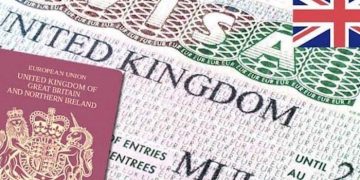
The row prompted the UK government to announce new visa restrictions targeting Congolese officials and citizens.
On Saturday, Home Secretary Shabana Mahmoud said the DRC had been removed from the UK’s fast-track visa service, while preferential visa access for senior government officials and VIPs was also withdrawn.
She warned that further measures could follow, including a possible suspension of visas for all Congolese nationals, if authorities in Kinshasa fail to cooperate with deportations.
Mahmoud said the steps were part of a broader effort to strengthen border controls and enforce immigration laws, stressing that countries were expected to accept the return of their citizens who have no legal right to remain in Britain.
She added that Namibia and Angola had agreed to work with the UK under the new framework and were being commended for their cooperation.
The visa action follows sweeping immigration reforms introduced last month by Prime Minister Keir Starmer’s government, aimed at reducing irregular migration. The changes include making asylum status temporary, accelerating deportations for undocumented arrivals, and reviewing asylum claims every 30 months. Under the new rules, asylum seekers would be required to return home once conditions are deemed safe and would have to wait up to 20 years before applying for permanent residency, an increase from the current five-year period.
Official figures show that asylum applications in the UK have reached record levels, with more than 100,000 people seeking to remain in the country in the year to June 2025.
Critics of the government have condemned the reforms as harsh, accusing the administration of abandoning Britain’s long-standing commitment to protecting refugees in an attempt to placate far-right political pressures.