








By Ebi Kesiena
The United States government has unveiled a new visa restriction policy targeting Nigerians and other foreign nationals accused of undermining religious freedom in their home countries.
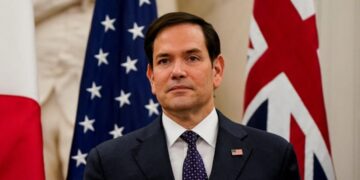
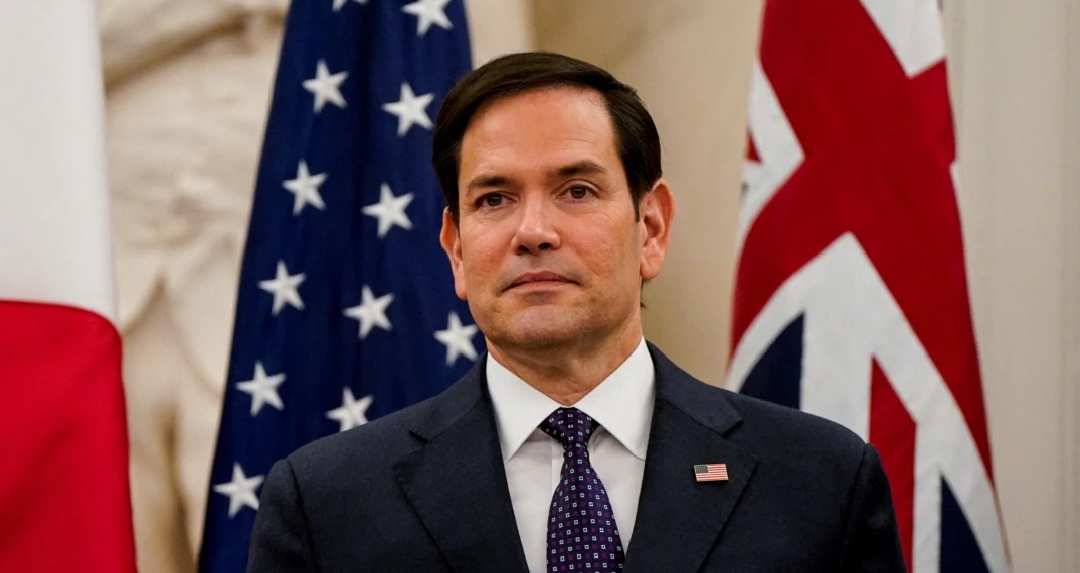
U.S. Secretary of State, Marco Rubio, disclosed the development on Wednesday in a post on X, stating that Washington is taking firm action against individuals involved in widespread abuses and violence directed at people on the basis of their faith.
According to Rubio, the new policy targets anyone who “knowingly directs, authorises, funds, supports, or carries out violations of religious freedom.” He stressed that the decision is part of broader efforts to address the persistent attacks on Christians and other religious groups in Nigeria, as well as similar abuses around the world.
“The @StateDept will restrict U.S. visas for those who knowingly direct, authorise, fund, support, or carry out violations of religious freedom. This visa policy applies to Nigeria and other governments or individuals that persecute people for their religious beliefs,” Rubio posted.
The announcement came alongside an official statement from the U.S. Department of State titled “Combating Egregious Anti-Christian Violence in Nigeria and Globally.” In the statement, the U.S. reaffirmed its position that it will no longer overlook the rising wave of religiously motivated attacks, including mass killings attributed to radical Islamic extremists, armed Fulani militias, and other violent groups operating in Nigeria and beyond.
Under the new measure, implemented pursuant to Section 212(a)(3)(C) of the U.S. Immigration and Nationality Act, visa restrictions will be imposed on individuals who have directed, authorised, significantly supported, participated in, or carried out violations of religious freedom. Where applicable, the penalties will also extend to their immediate family members.
The statement quoted U.S. President Donald Trump as reaffirming the administration’s resolve to confront religious persecution. “The United States cannot stand by while such atrocities are happening in Nigeria, and numerous other countries,” it said.
The policy is expected to apply not only to Nigerian violators but also to any government actor or individual across the world implicated in acts that suppress or target people based on their beliefs.