










By Enyichukwu Enemanna
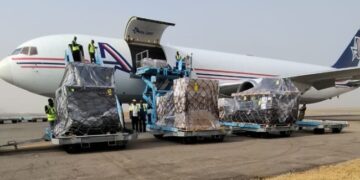
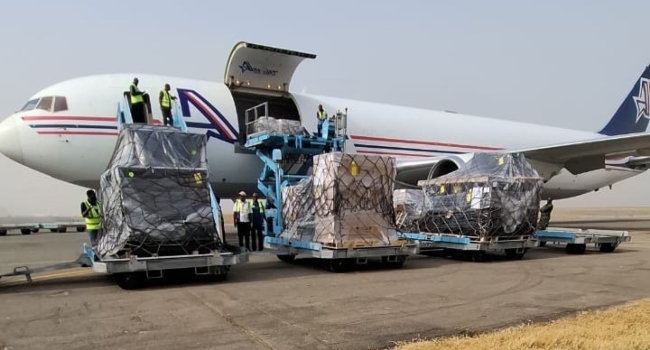
The US military is increasing delivery of materiel and intelligence sharing with Nigeria, Africom’s deputy commander, Lieutenant General John Brennan told AFP, as part of a broader push by America to work with African militaries, aiming to sustain pressure on Islamic State-linked militants.
The Pentagon has also maintained open lines of communication with militaries in junta-led Sahel countries Burkina Faso, Niger, and Mali, Lieutenant Brennan said.
The increased cooperation with Nigeria’s government follows Washington’s diplomatic pressure on the West African nation over jihadist violence and as the US military is becoming “more aggressive” in pursuing IS-linked targets on the continent.
Under the Trump administration, “we’ve gotten a lot more aggressive and (are) working with partners to target, kinetically, the threats, mainly ISIS,” Brennan said in an interview on the sidelines of a US-Nigeria security meeting in the Nigerian capital last week.
“From Somalia to Nigeria, the problem set is connected. So we’re trying to take it apart and then provide partners with the information they need,” he added.
“It’s been about more enabling partners and then providing them with equipment and capabilities with less restrictions so that they can be more successful.”
Last week’s inaugural US-Nigeria Joint Working Group meeting came barely a month after the US announced surprise Christmas Day strikes on IS-linked targets in northwest Nigeria.
According to AFP report, though both militaries seem keen on increased cooperation after the joint strikes, hanging over it all is diplomatic pressure by Washington over what Trump claims is the mass killing of Christians in Nigeria.
Charged politics were on display at the Joint Working Group meeting in Abuja, where Allison Hooker, the number three at the State Department, pushed the Nigerian government “to protect Christians” in a speech that did not mention Muslim victims of armed groups.
Africa’s most populous country is roughly evenly split between a mostly Muslim north and a mostly Christian south.
Though millions live side by side peacefully, religious and ethnic identity remains a sensitive topic in a country that has seen sectarian violence throughout its history.