











By Ebi Kesiena
The United States has suspended government-to-government assistance to Somalia following allegations that Somali officials unlawfully seized US-funded food aid meant for vulnerable populations.
According to a statement shared on X, officials of the US State Department said Washington had paused “all ongoing US assistance programs” to the Somali government after receiving reports of serious misconduct involving humanitarian supplies. The decision, they said, reflects the United States’ “zero-tolerance policy” toward waste, fraud, or theft of donor-funded aid.
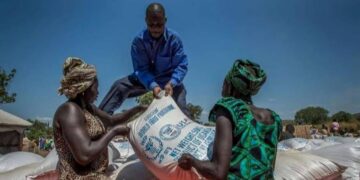
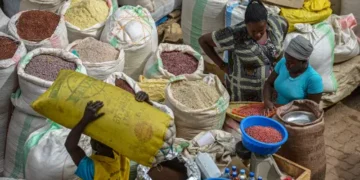
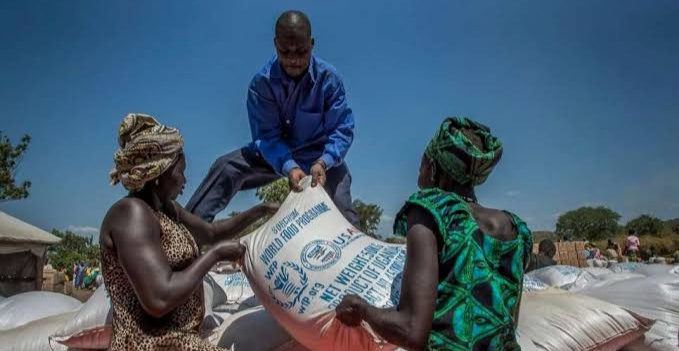
US Under Secretary for Foreign Assistance, Humanitarian Affairs and Religious Freedom stated that American authorities had been informed that Somali officials allegedly destroyed a World Food Programme (WFP) warehouse financed by the United States and illegally confiscated 76 metric tons of food aid intended for at-risk Somalis.
The official said future humanitarian assistance would now be conditional, stressing that any resumption of aid would depend on the Somali Federal Government taking responsibility for the incident and implementing corrective measures.
“Any further assistance will be dependent on the Somali Federal Government taking accountability and remediating this matter,” the post said.
Somalia, located in the Horn of Africa, has long struggled with conflict, political instability, and food insecurity, and is consistently classified by the United Nations as one of the world’s least developed countries. Millions of its citizens rely heavily on international humanitarian support due to recurring droughts, displacement, and the impact of decades of civil unrest.
Meanwhile, Somali government officials had not issued a public response to the US allegations or the suspension of aid.
The development comes against the backdrop of increasingly strained relations between Washington and Somali communities both at home and abroad.
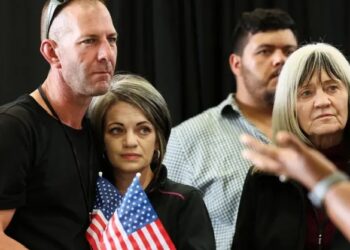
In recent weeks, US authorities have intensified immigration enforcement actions targeting Somalis in the United States, particularly in Minnesota, which hosts the country’s largest Somali population, estimated at about 80,000 people. The community has faced allegations of large-scale public benefits fraud, claims that have drawn criticism from civil rights advocates.
Observers warn that the halt in assistance could further worsen humanitarian conditions in Somalia if the dispute is not quickly resolved, given the country’s heavy dependence on external aid to support its most vulnerable populations.