




















By Ere-ebi Agedah Imisi
A new global analysis by the World Health Organisation (WHO) has revealed that nearly four in every ten cancer cases worldwide could be prevented through behavioural changes, robust public policies and effective public health interventions.
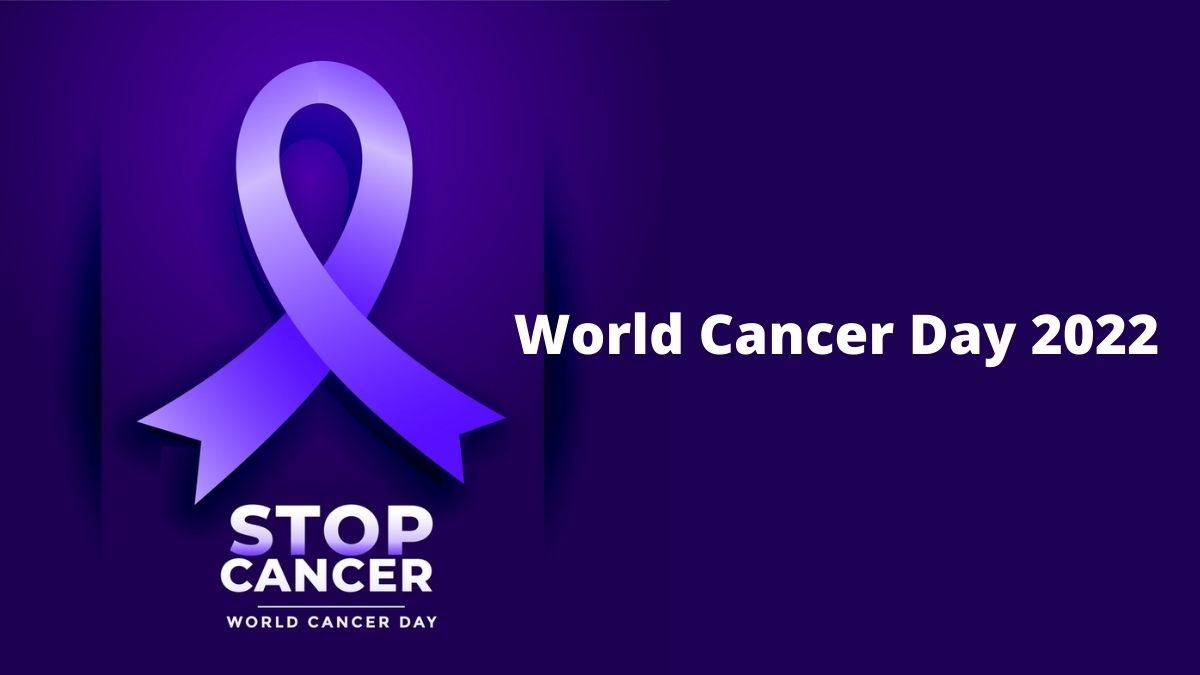
The findings, released to mark the World Cancer Day are drawn from a major study published in Nature Medicine, which examined cancer data from 185 countries across 36 cancer types.
According to the report, about 37 per cent of the estimated 18.7 million new cancer cases recorded globally in 2022 were linked to modifiable risk factors. These include tobacco use, infections and lifestyle-related environmental exposures.
“The science is clear,” a significant proportion of cancers especially those associated with tobacco, infections and unhealthy environments are not inevitable. They can be prevented.” said Maria Neira, WHO Director of Environment, Climate Change and Health.
Tobacco use was identified as the leading preventable cause of cancer worldwide, accounting for roughly 15 per cent of new cases. Infectious agents such as human papillomavirus (HPV) and Helicobacter pylori were also major contributors, together responsible for about 10 per cent of global cancer cases.
Also, Director of the International Agency for Research on Cancer, Elisabete Weiderpass said smoking- and infection-related cancers continue to exact a heavy toll, prevention is not only achievable, it must become a priority.
The report highlighted cervical cancer as one of the most preventable forms of the disease, noting that it is largely caused by HPV, for which safe and effective vaccines are widely available. Cancers linked to Helicobacter pylori infection often associated with poor sanitation and limited access to healthcare were also prominent, with prevention possible through improved hygiene, early detection and routine screening.
“We are at a critical moment where proven public health measures such as HPV vaccination, strong tobacco control and healthier environmental policies could save millions of lives,” Weiderpass said.
Significant disparities were observed across regions and between sexes. Among men, approximately 45 per cent of cancer cases were attributed to modifiable risk factors, compared with about 30 per cent among women. Regional variations were also evident, with East Asia, Latin America, North Africa and West Asia showing distinct patterns influenced by lifestyle, environmental exposure and access to preventive healthcare.
Meanwhile, the WHO urged governments and health systems to expand proven prevention measures, including higher tobacco taxes, public smoking bans, widespread vaccination programmes and improved air quality standards.
“We must shift our focus upstream, Investing in prevention saves lives, reduces long-term healthcare costs and strengthens resilient health systems.” Neira said
The report concludes that while cancer remains a major global health challenge, coordinated public health action, strong political will and sustained community engagement could prevent nearly 40 per cent of cases worldwide.