

















By Ebi Kesiena
Civilians, particularly women and children, are paying the heaviest price in the escalating cross-border hostilities between Afghanistan and Pakistan, the United Nations Assistance Mission in Afghanistan UNAMA has warned.
In a statement released on Friday via its official X account, UNAMA disclosed that at least 75 civilians have been killed and 193 others injured in Afghanistan between February 26 and March 13 as a direct consequence of the ongoing armed confrontations along the border.
The mission expressed grave concern over the humanitarian impact of the clashes, stressing that innocent civilians continue to suffer as tensions intensify between the two neighbouring countries.
“We continue to call for an immediate cessation in hostilities to prevent further loss of civilian life,” UNAMA said in its statement.
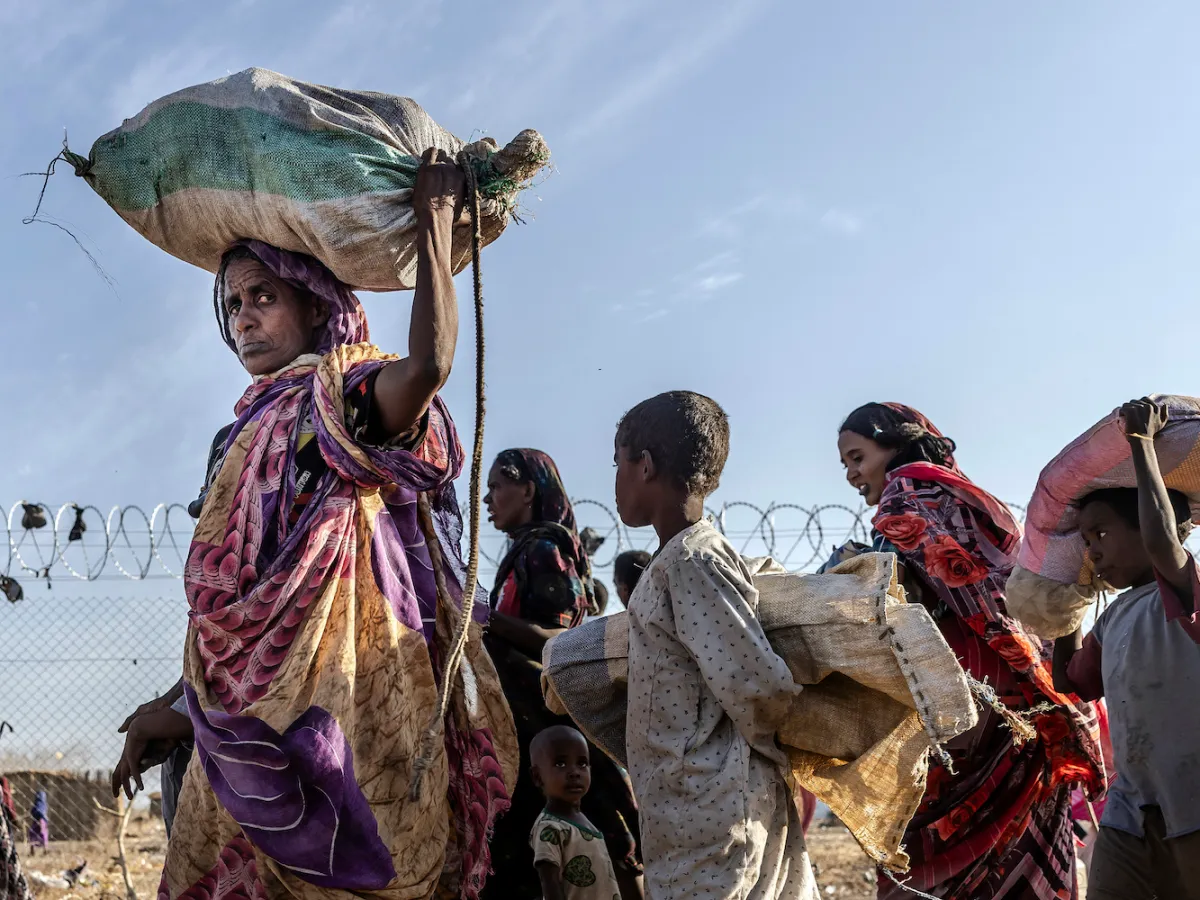
According to the UN body, the victims documented so far are largely women and children caught in the crossfire as armed exchanges erupt in populated areas close to the disputed frontier. The organisation warned that the rising civilian toll highlights the urgent need for restraint and renewed diplomatic engagement to de-escalate the situation.
The latest appeal comes amid heightened tensions that followed a series of border skirmishes in late February. Both Kabul and Islamabad have traded accusations over who initiated the violence, further complicating efforts to calm the situation.
Authorities in Pakistan have repeatedly accused militant groups operating from Afghan territory of launching attacks across the border, while officials in Afghanistan deny the allegations and accuse Pakistani forces of carrying out cross-border strikes.
The deteriorating security situation has raised fears of a wider humanitarian crisis in border communities, where residents are already grappling with displacement, damaged homes and limited access to basic services.
UNAMA urged both sides to prioritise civilian protection and pursue dialogue to prevent further bloodshed, warning that continued hostilities risk deepening instability in an already fragile region.