
















By Emmanuel Nduka Obisue
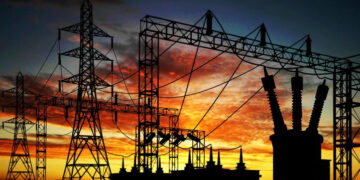
More than $50 billion has been committed to a major initiative aimed at expanding electricity access across Africa and reducing the number of people living without power, according to the World Bank.
The programme, known as Mission 300, seeks to provide electricity to 300 million people on the continent by 2030. The initiative was officially launched during a conference held in Dar es Salaam, Tanzania, in January last year.
Since its launch, the project has already connected about 44 million people to electricity, the World Bank said in a statement.
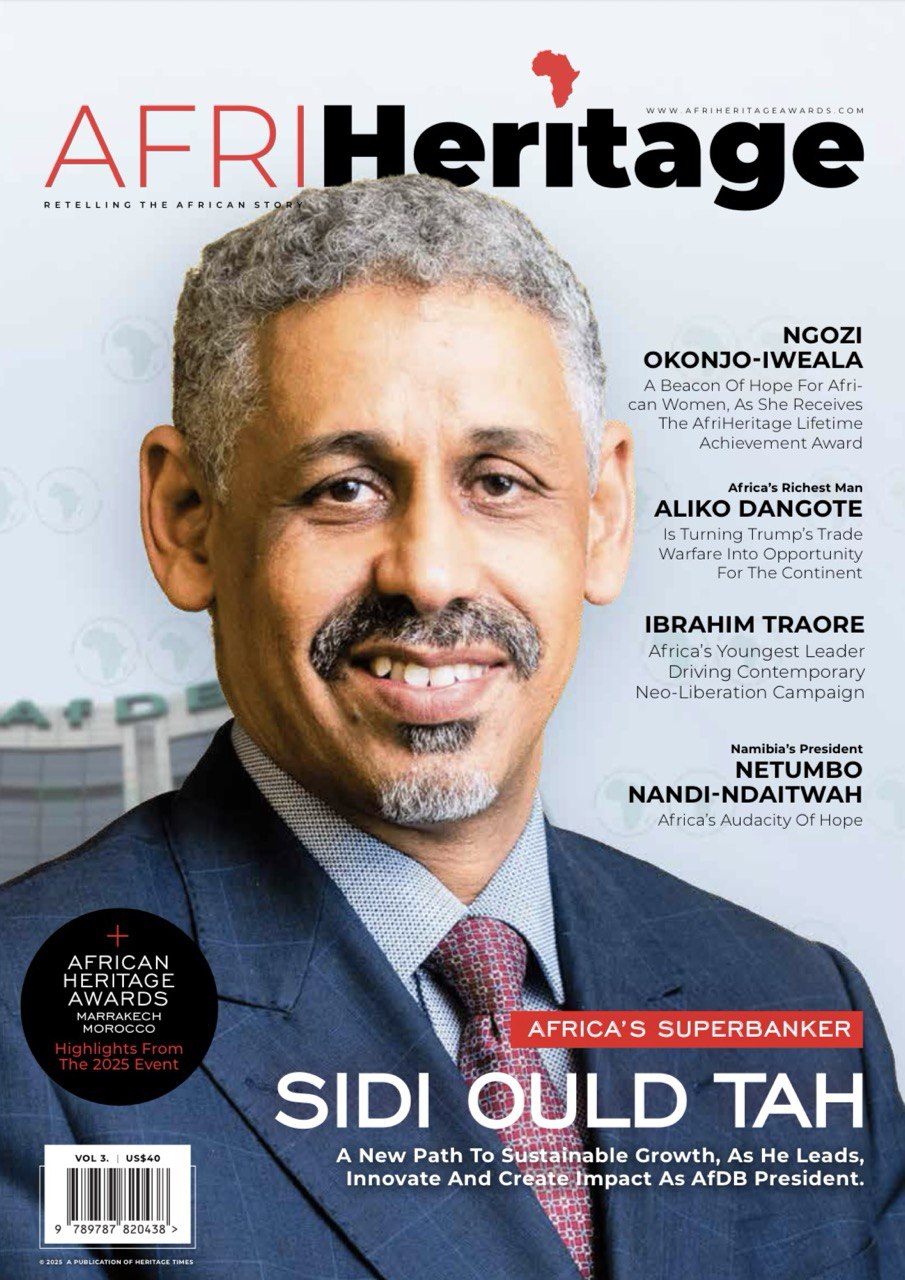
The funding supporting the initiative includes concessional loans from the World Bank and the African Development Bank, alongside contributions from other development finance institutions and private-sector investors.
According to the World Bank, the programme also has a strong pipeline of projects expected to deliver electricity access to tens of millions more people by the end of 2026.
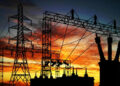
The electrification drive is designed to address one of the most significant barriers to economic development in SubSaharan Africa. Nearly half of the region’s population – about 570 million people, still lack access to electricity.
Limited access to power continues to hinder education, reduce productivity and restrict employment opportunities across the region, where about 70 percent of the population is under the age of 30.
Development experts say expanding electricity access will be crucial to unlocking economic growth, improving living standards and supporting industrial development across the continent