




















By Emmanuel Nduka Obisue
Zimbabwe’s push to prioritize domestic production under its Local Content Strategy is delivering significant gains in the iron and steel sector, with the country reportedly saving about US$500 million annually in reduced steel imports.
Anchored on the National Development Strategy 1 (NDS1) and National Development Strategy 2 (NDS2), the policy framework is aimed at strengthening local value chains, promoting beneficiation and reducing reliance on imports. In the steel industry, the impact is becoming increasingly visible as production rebounds and downstream industries expand.
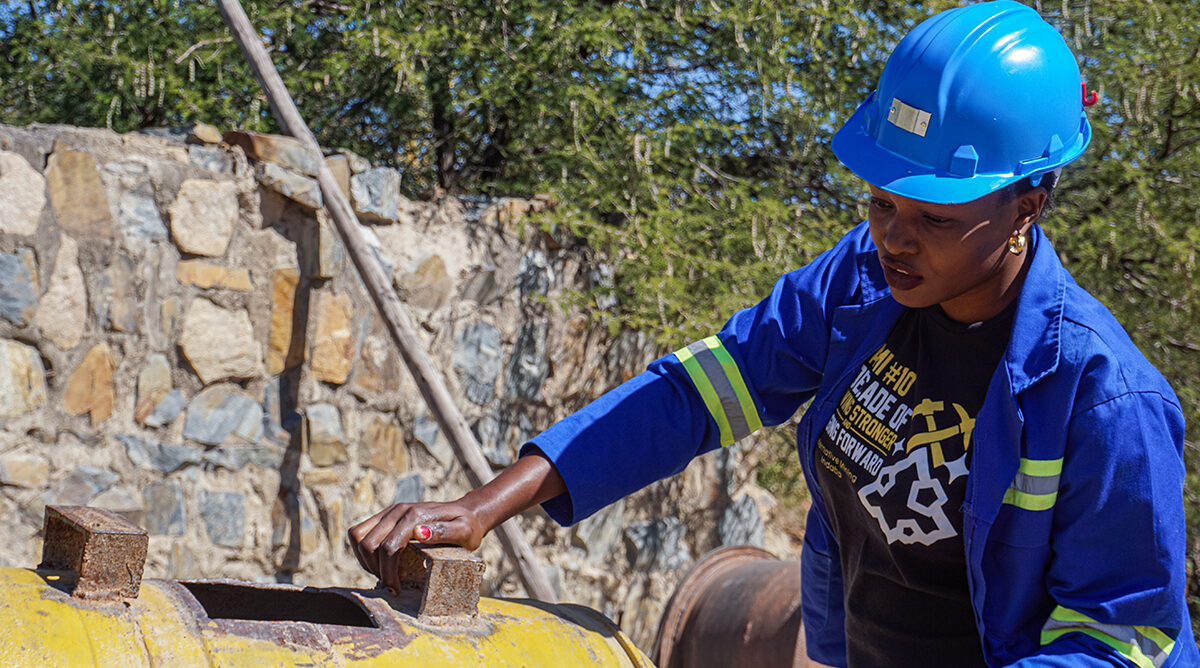
The revival of the sector has stimulated employment across the entire value chain, from iron ore extraction and smelting to rolling mills, fabrication and engineering workshops. Products such as reinforcement bars, wire rods, structural steel and mining components are now being manufactured locally, creating both direct and indirect jobs. Thousands are employed in steel plants and related industries, while additional opportunities have emerged in transport, logistics, maintenance, energy services and small-to-medium enterprises supporting the sector.
Government has also reinforced the strategy through procurement policies requiring public infrastructure projects to source iron and steel products from domestic producers.
Industry and Commerce Minister Nqobizitha Mangaliso Ndlovu recently toured Pump and Steel Supplies, a Bulawayo-based manufacturer operating in the Belmont, Donnington and Thorngrove industrial areas, with a production capacity exceeding 36,000 tonnes annually. He said the company exemplifies the importance of strengthening local value chains to drive industrial growth and advance Vision 2030.
Company representatives emphasised that local manufacturing preserves jobs, retains skills and saves foreign currency. For years, Zimbabwe exported raw iron ore while importing finished steel at significant cost. Through tariff adjustments, fiscal incentives and preferential procurement measures, the Local Content Strategy is reversing that trend.
At the centre of the turnaround is the Dinson Iron and Steel Company (DISCO) plant in Manhize, which has an installed capacity of 600,000 tonnes in its first production phase. Since commencing operations, the plant has reportedly eliminated the country’s need to import around 100,000 tonnes of rebar annually.
According to official figures, steel sales for the year ended December 31, 2025 reached US$92.1 million from 146,314 tonnes sold representing a sharp increase in value compared to the previous year.
Analysts say the transformation demonstrates how local content policies can drive structural economic change, positioning Zimbabwe to become a regional steel hub while strengthening industrial self-sufficiency.
Credit: Bulawayo24