










By Olusegun Adeniyi
The Nigerian National Petroleum Company Limited (NNPC Ltd) General Manager for Strategic Communications, Ms. Onyi Sunday, insisted I speak at a capacity-building session for members of the media/PR team. So, I was at their headquarters in Abuja last Thursday where a few managers from other departments joined in. During the interactions that followed my presentation, I told them that a lack of transparency and accountability still defines oil sector operations in Nigeria. Of course, there was pushback as the officials attempted to enlighten me on the several industry changes, especially following the enactment of the Petroleum Industry Act (PIA) of 2021 which led to the introduction of new regulatory and fiscal frameworks.
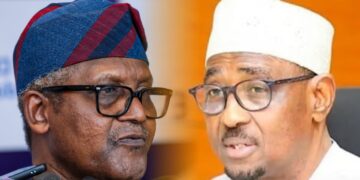
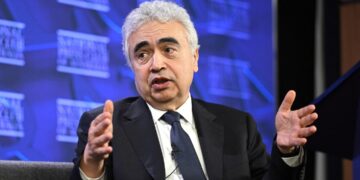
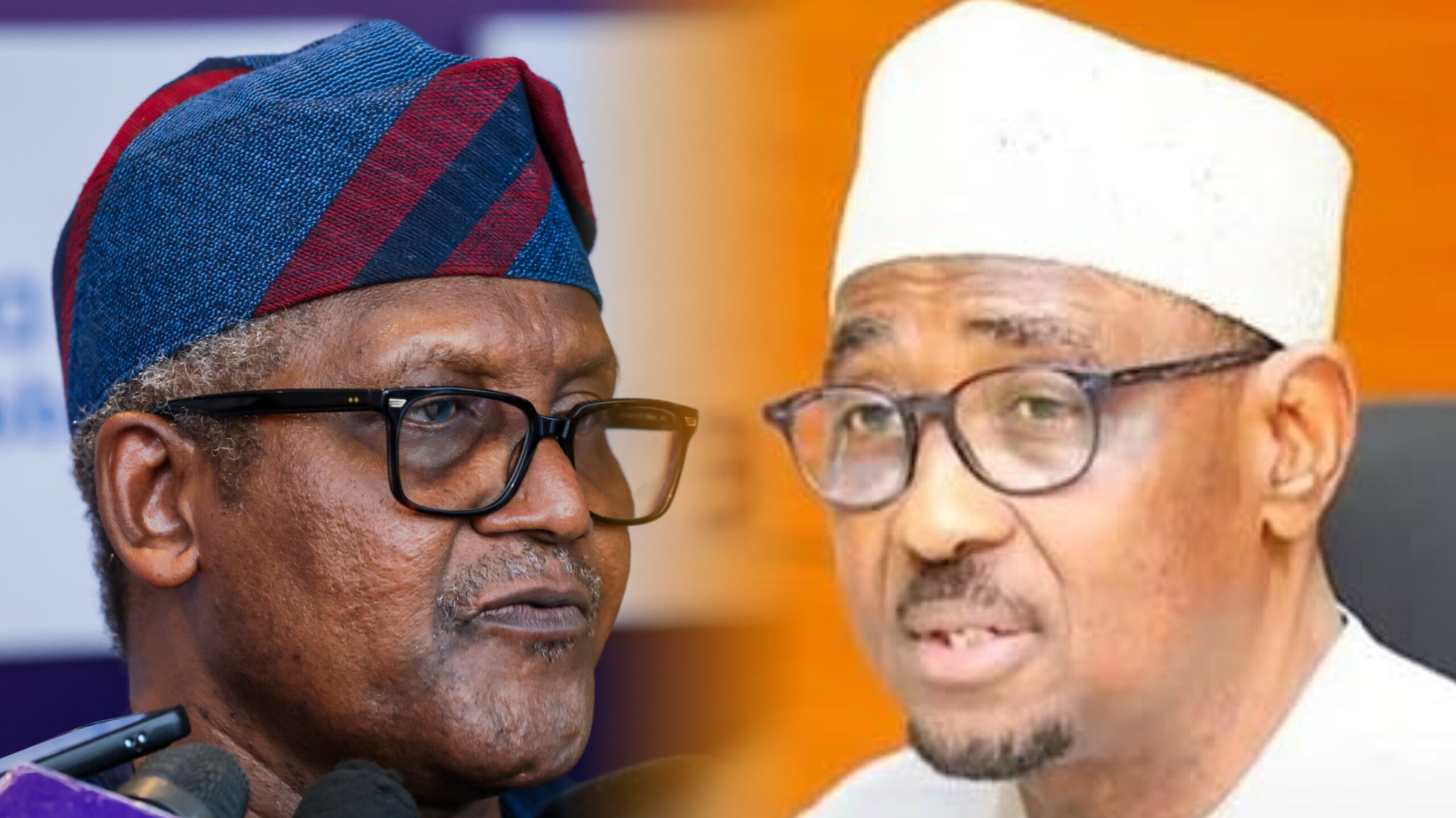
However, Farouk Ahmed who was until yesterday the Chief Executive Officer of Nigerian Midstream and Downstream Petroleum Regulatory Authority (NMDPRA), has put a spotlight on the critical sector. The president of Dangote Industries Limited, Alhaji Aliko Dangote, who has had a long-drawn battle with Ahmed, wrote the authorities, calling for a probe of how a public official could allegedly be paying $5 million (that’s more than N7 billion) for his children’s school fees. And after a meeting with President Bola Tinubu yesterday, Ahmed reportedly resigned along with the CEO of the Nigeria Upstream Petroleum Regulatory Commission (NUPRC), Gbenga Komolafe.
Incidentally, shortly before that dramatic resignation, Ahmed had released a statement, expressing eagerness to clear his name on the “wild and spurious allegations made against me and my family and the frenzy it has generated.” Now that he is out of office, the former NMDPRA helmsman can face his accuser. When it comes to damaging allegations like these, whoever asserts must prove. Besides, it is possible to accuse Dangote of sour grapes, especially since he became a ‘whistle blower’ only after his refinery ran into regulatory roadblocks. But this does not detract from the fact that no sector exemplifies the failure of Nigeria more than the oil and gas industry.
For me, here is the key issue: In an era when the United States President Donald Trump has made economic nationalism a cornerstone of his second-term agenda, Nigeria finds itself grappling with a peculiar paradox. We mouth the right rhetoric while undermining the very industrial capacity that could anchor our own economic sovereignty. The specifics of the Dangote Refinery conundrum are well-documented. A $20 billion investment that promises to refine 650,000 barrels of crude oil daily, potentially ending Nigeria’s humiliating dependence on imported refined petroleum products, has faced a gauntlet of regulatory bottlenecks that even the most charitable observer would find curious.
Several questions beg for answers. First, why would a nation that has spent an estimated $25 billion on refinery rehabilitation over two decades with nothing to show for it, appear less than enthusiastic about a functional private sector alternative? Second, what explains the unusual public statements from regulatory officials that appear designed to undermine market confidence in the product of an indigenous company? In most jurisdictions that prioritize industrial development, regulators work quietly with local producers to address concerns. The choice to wage these battles in the public square therefore raises questions about motivation.
The irony of our moment is noteworthy. For decades, we have been exporting crude oil while incurring substantial costs to import petrol and petrochemicals. This heavy dependence on imports has led to a host of economic and social issues, including the closure of numerous local industries, job losses, and a strain on the national currency and foreign reserves. While Nigeria debates whether to support its own industrial champion, the same America that has spent decades lecturing the developing world about free markets, now openly prioritizes domestic production, imposes tariffs to protect local industries, and makes no apology for these policies. The Inflation Reduction Act and the CHIPS Act represent hundreds of billions in subsidies for American manufacturing.
Unfortunately, here we are, a nation that imports virtually everything, including toothpicks, potentially undermining an investor who sought to build local capacity in our most strategic industry. Yes, I am aware that the name Dangote divides opinions. And I do not believe that bullying a regulator, as Dangote successfully did by using his might, is fair. But I also believe that this controversy speaks more to fundamental questions about Nigeria’s economic future than the business model of one man. Do we want to create jobs for our teeming youth population or are we content to remain a consumption economy? Should we protect and nurture local investors or conspire to run them out of business?
Whether Farouk Ahmed jumped or he was pushed is irrelevant. The fact remains that he is not out. But there must still be an investigation to clear the air and restore confidence in our institutions. And I am talking about regulatory oversight and not the charge of scandalous school fees for some privileged children, which anti-corruption agencies can easily handle. If there is merit to Dangote’s claims of sabotage, vested interests, or regulatory capture, Nigerians deserve to know. The Chinese did not build their industrial might by undermining their own manufacturers. The Americans didn’t become an economic superpower by frustrating domestic production. Even our smaller African neighbours like Rwanda and Ethiopia have demonstrated that purposeful industrial policy requires a measure of protectionism.
In my column of July 2024, I highlighted some of the contentious issues between Dangote Refinery and regulatory authorities. But I also argued that there should really be no need for a fight if the primary responsibility of critical stakeholders in the sector is to advance the public good. In the age of Trump, the achievements of businesses owned by citizens must reflect a sense of national pride and a measure of support against foreign competitors.
I do not presume to know the full facts in the fight between Dangote and Farouk Ahmed and will not be surprised if there are things both of them are not telling us. When it comes to powerful men, even matters that originate from ‘The Other Room’ could trigger a lot of hoopla. But this could also be a fight over principle. Perhaps there were legitimate regulatory concerns that justify every action taken by Farouk Ahmed and NMDPRA. Perhaps Dangote’s frustrations misinterpret standard regulatory practice. Perhaps Ahmed was using his regulatory power to sabotage Dangote’s refinery. Perhaps the truth lies somewhere in between. But there is a point we should never ignore: On this issue, our national interest is also at stake.
Every serious nation makes a choice: build your productive capacity or remain forever dependent. Even if there are differences between Dangote and the regulators, efforts should be made to resolve them. No responsible government should work for the failure of a $20 billion project that adds considerable value to the economy in countless ways.