



















By Emmanuel Nduka Obisue
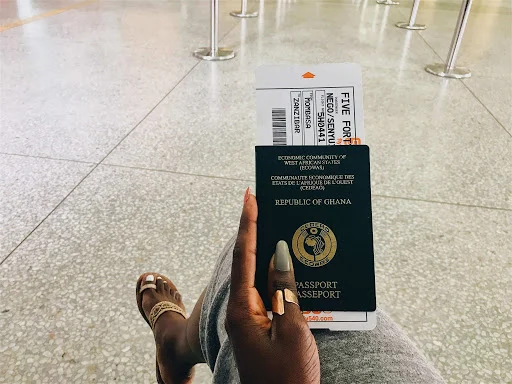
The Republic of Ghana has temporarily halted the processing of citizenship applications for people of African descent, citing the need to overhaul the system to make it simpler, more efficient and user-friendly.
Heritage Times HT reports that since 2016, the country has offered a pathway to citizenship for members of the African diaspora who can demonstrate ancestral links to the continent. The initiative was largely designed to reconnect Ghana with descendants of Africans displaced during the transatlantic slave trade.
Over the years, more than 1,000 people have been granted Ghanaian citizenship under the programme, including renowned African American musician Stevie Wonder. However, the process has increasingly attracted criticism from applicants who say it is overly complex, expensive and difficult to navigate.
Dr Erieka Bennet, an ambassador for the Diaspora African Forum, which supports diaspora members seeking to relocate to Ghana, told the BBC that many applicants struggled to meet key requirements. She said the demand to submit DNA evidence within one week of applying was unrealistic for most applicants, while some also questioned the reliability of DNA testing.
According to her, the tight deadline for submitting additional documentation posed a major challenge, often leading to delays or disqualification.
Cost has also been a significant concern. Applicants are required to pay an initial fee of 136 dollars, while those shortlisted must pay an additional 2,280 dollars.
Successful candidates are then vetted and invited to a one-day citizenship orientation before receiving their certificates at a formal ceremony presided over by President John Dramani Mahama.
Despite the suspension, Dr Bennet expressed confidence that the issues would be addressed and that the programme would resume once improvements are made.
The Ghanaian government has confirmed that revised timelines and updated guidelines will be released in due course but has not provided a specific date for the resumption of applications.
The pause has created uncertainty for some prospective applicants, particularly those planning to relocate, invest or settle permanently in the country.
Ghana’s outreach to Africans in the diaspora is rooted in the Pan-African vision of its first president, Kwame Nkrumah. The initiative gained renewed momentum in 2019 with the launch of the Year of Return, which aimed to strengthen ties between Ghana and Africans worldwide.
Today, members of the diaspora play active roles in sectors such as real estate, agriculture, technology and small-scale enterprise, with many seeking citizenship to enable property ownership, voting rights and access to public services.
Ghana is not alone in this approach, as countries including Benin and Sierra Leone also offer citizenship opportunities to people of African descent who can verify their ancestral connections.