





















By Emmanuel Nduka Obisue
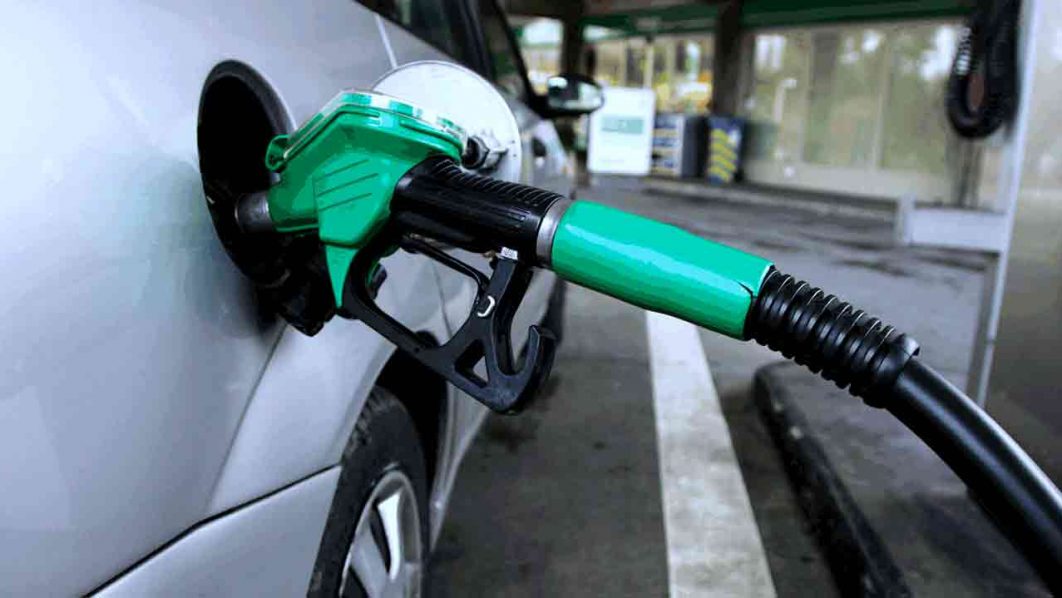
Escalating tensions in the Middle East are beginning to send shockwaves through global energy markets, pushing fuel prices higher in several countries, including Nigeria and Egypt, as governments and fuel marketers respond to rising crude oil costs.
The price increases follow the ongoing conflict involving Iran, Israel and their allies, which has disrupted supply routes and driven a sharp surge in global crude oil prices. Analysts warn that instability around key oil transit routes such as the Strait of Hormuz – a strategic waterway through which a significant portion of the world’s oil supply passes, has rattled international energy markets.
Nigeria Feels Immediate Impact
In Nigeria, petrol prices have begun climbing as the global crisis pushes up the cost of crude and imported refined products. Reports from several Nigerian cities indicate that pump prices have risen sharply, with some filling stations selling petrol for between ₦1,100 and ₦1,300 per litre, reflecting the volatility in the international oil market.
Industry stakeholders warn that prices could rise further if the Middle East conflict persists. The Petroleum Products Retail Outlets Owners Association of Nigeria (PETROAN) has cautioned that prolonged instability in the region could significantly increase the cost of importing refined petroleum products into Nigeria.
Economists say the situation could worsen inflation in the country as higher fuel prices traditionally leads to increased transportation and logistics costs, which eventually translate into higher prices for food and other essential commodities.
Egypt Raises Fuel Prices
The ripple effects are also being felt in Egypt, where authorities have officially raised the prices of petrol, diesel and cooking gas.
The Egyptian Ministry of Petroleum and Mineral Resources announced that the new fuel prices took effect early Tuesday, citing “exceptional circumstances” linked to geopolitical developments in the Middle East and their direct impact on global energy markets.
Under the revised pricing structure, 95-octane petrol increased from 21 to 24 Egyptian pounds per litre, while 92-octane petrol rose from 19.25 to 22.25 pounds per litre. Diesel was also increased from 17.5 to 20.5 pounds per litre.
Cooking gas prices were also adjusted, with the 12.5-kilogram butane cylinder rising from 225 to 275 Egyptian pounds, while the 25-kilogram cylinder increased from 450 to 550 pounds. In addition, natural gas for vehicles rose from 10 to 13 pounds per cubic meter.
Authorities explained that the adjustments were necessary due to rising import and production costs triggered by global market disruptions, increased shipping expenses and higher insurance costs associated with transporting petroleum products.
Global Ripple Effects
Energy analysts warn that the Middle East crisis could continue to exert pressure on fuel prices worldwide if tensions escalate further.
Countries that depend heavily on imported refined petroleum products particularly in Africa, may face further price adjustments and economic strain in the months ahead as governments struggle to maintain energy supply and market stability.